

Good morning, friends!
I read Vanity Fair’s new profile of Erika Kirk this week, and I haven’t stopped thinking about it.
It’s obviously a profile of Kirk, but interestingly, I felt like I learned even more about the person writing it. I now know what she thinks of Erika, what she thinks of Charlie, what she finds strange, what she’s skeptical about, and which details she chooses to highlight.
That’s not necessarily a criticism. Of all people, I understand that a profile can never be completely objective. As the writer, you’re always there, even when you’re trying to be invisible.
And this is exactly the thing I wrestle with the most when I’m writing a profile: We can all agree ton the facts and disagree completely about what they mean. In other words, it’s a world of difference between the facts and the interpretation of the facts.
When I profiled NFL star Saquon Barkley, for example, I could have focused almost entirely on football. Instead, I became enthralled by the way he thinks about money, investing, and building a life beyond the game. Again, those facts were always there. I decided they meant something.
This brings me back to Erika Kirk.
The Vanity Fair profile establishes that Erika grew up with divorced parents and idolized her grandparents’ traditional marriage. She eventually built the kind of family she had dreamed about with Charlie. After his murder, she is now raising her children alongside another widow in a chosen-family arrangement that, as the writer points out, more closely resembles Erika’s unconventional childhood than the traditional family she created with her husband.
OK. We can all agree that those are the facts. But what do they mean?
Here was a woman who grew up without the family structure she desperately wanted, found it, built it, and then she had it violently stolen away from her. I found the writer’s decision to end the profile by emphasizing that reversal devastating and, if I’m being truthful, a little cruel.
I think it felt cruel (to me) because the ending seemed to frame an unimaginable tragedy as an ironic twist in Erika’s life story, when the only reason her family no longer looks the way she dreamed it would is that her husband was murdered in public, in a moment so widely documented that her children may one day see the video of their father’s death.
But my reaction probably tells you something about me, too.
I think that’s what so interesting about profiles. There is no way to completely remove the writer from the portrait. Give five writers access to the same person and they will probably produce five different stories because each will notice something different.
As I was writing this, I remembered an experiment called “Decoy” about the power of framing. In 2015, Canon got six different photographers to shoot portraits of the same guy in the same location. The twist is that each photographer was told a different thing about his background.
Fisherman
Alcoholic
Millionaire
Convict
Life Saver
Psychic
Here’s the result:
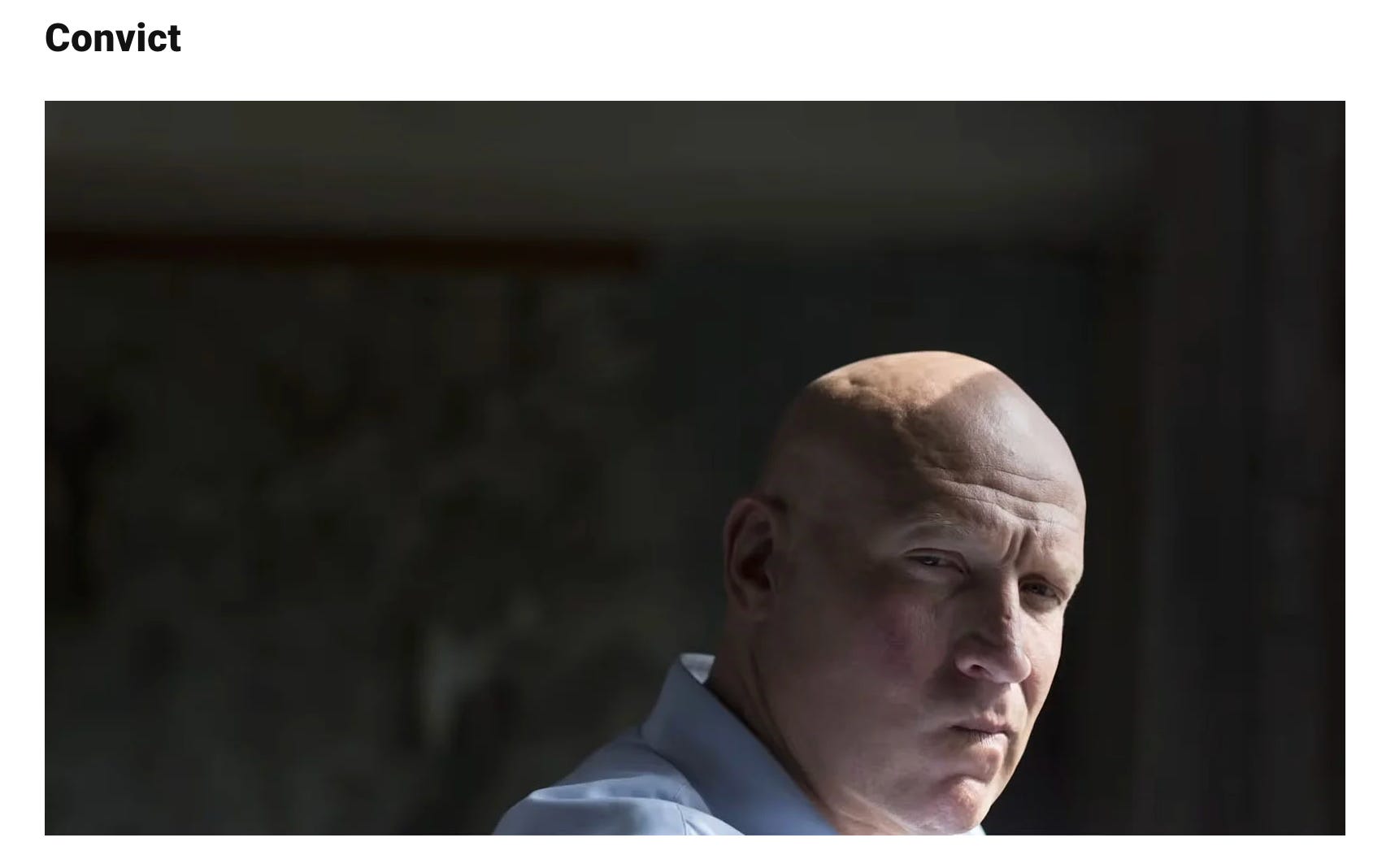
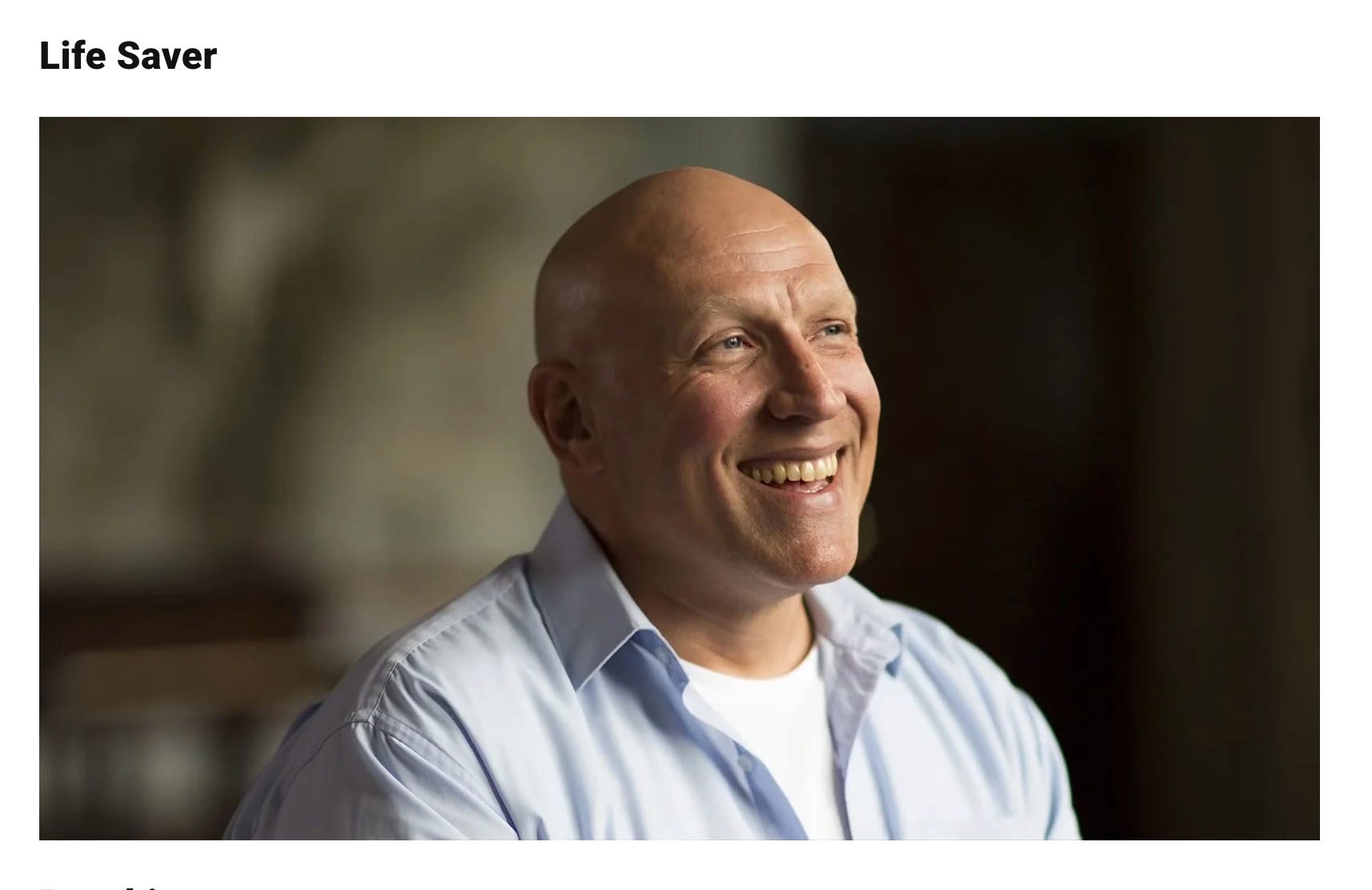
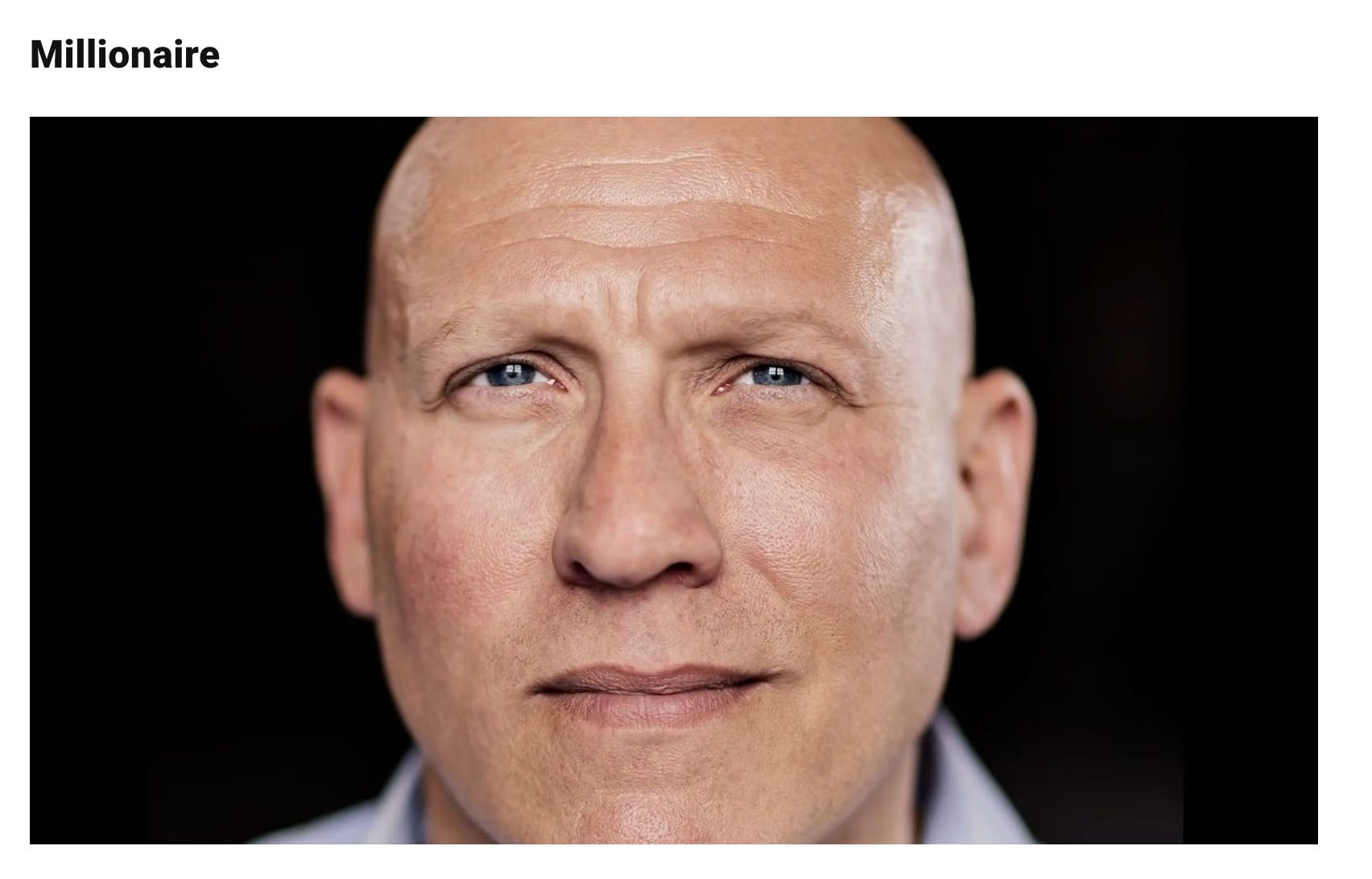
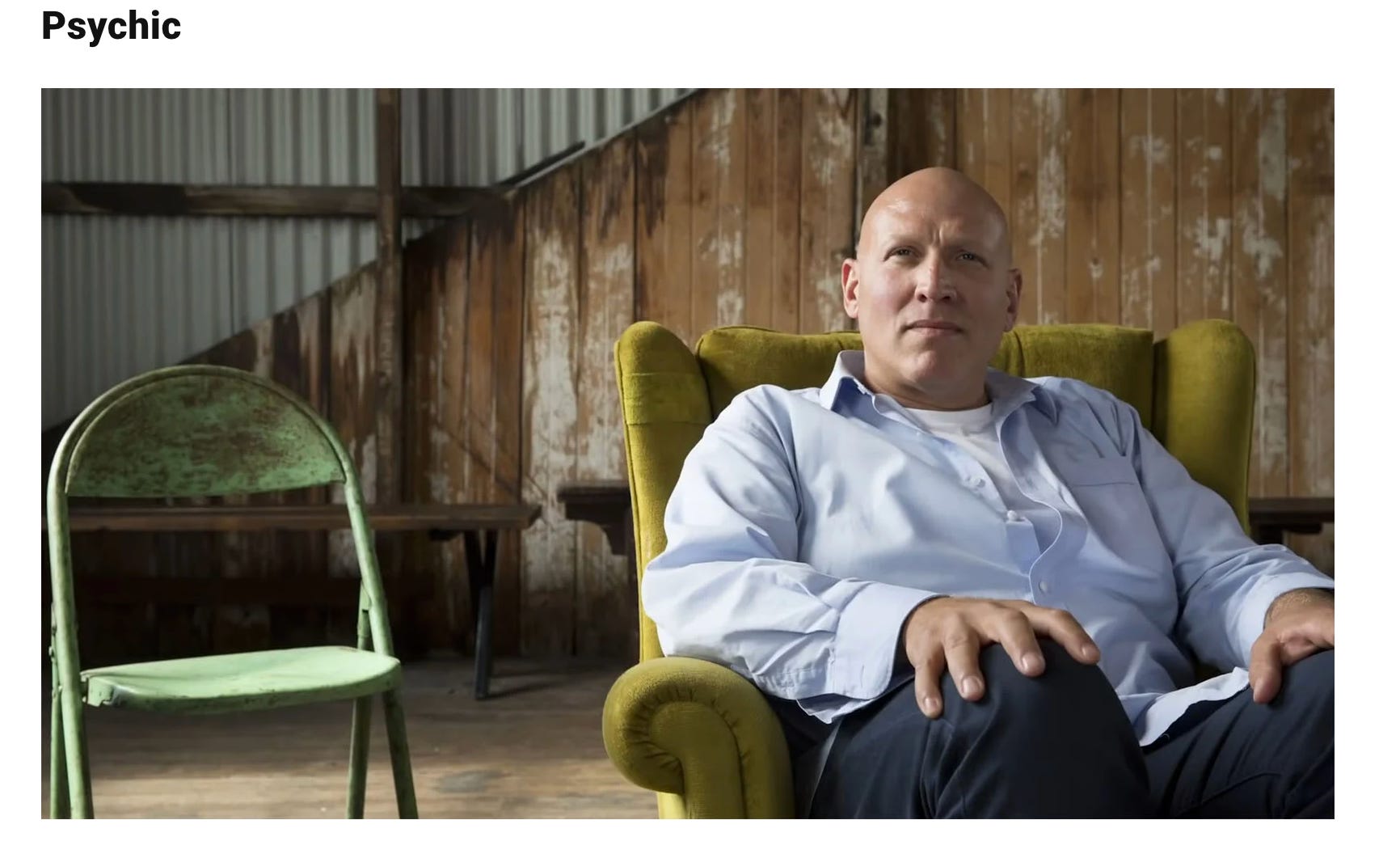
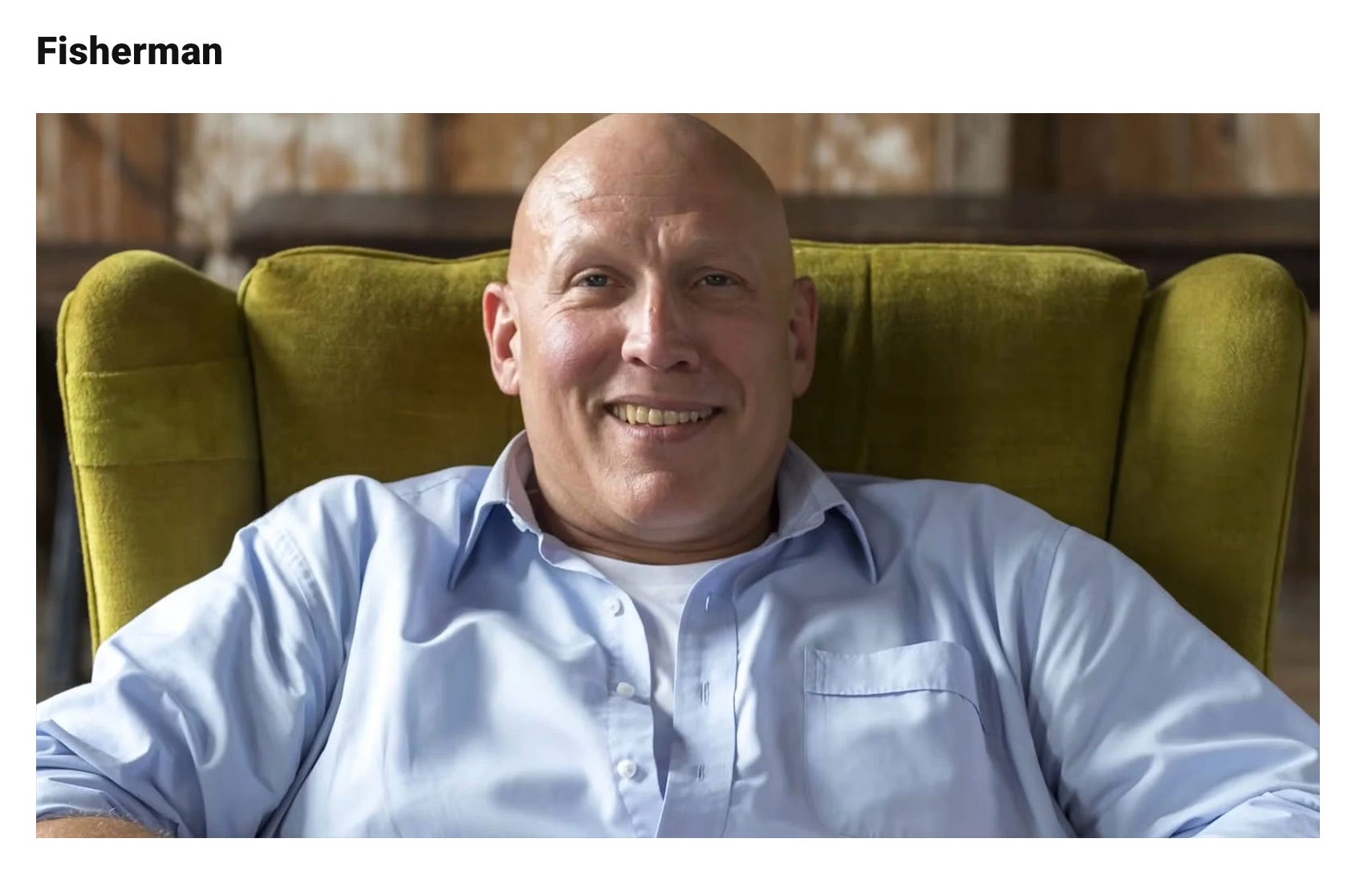
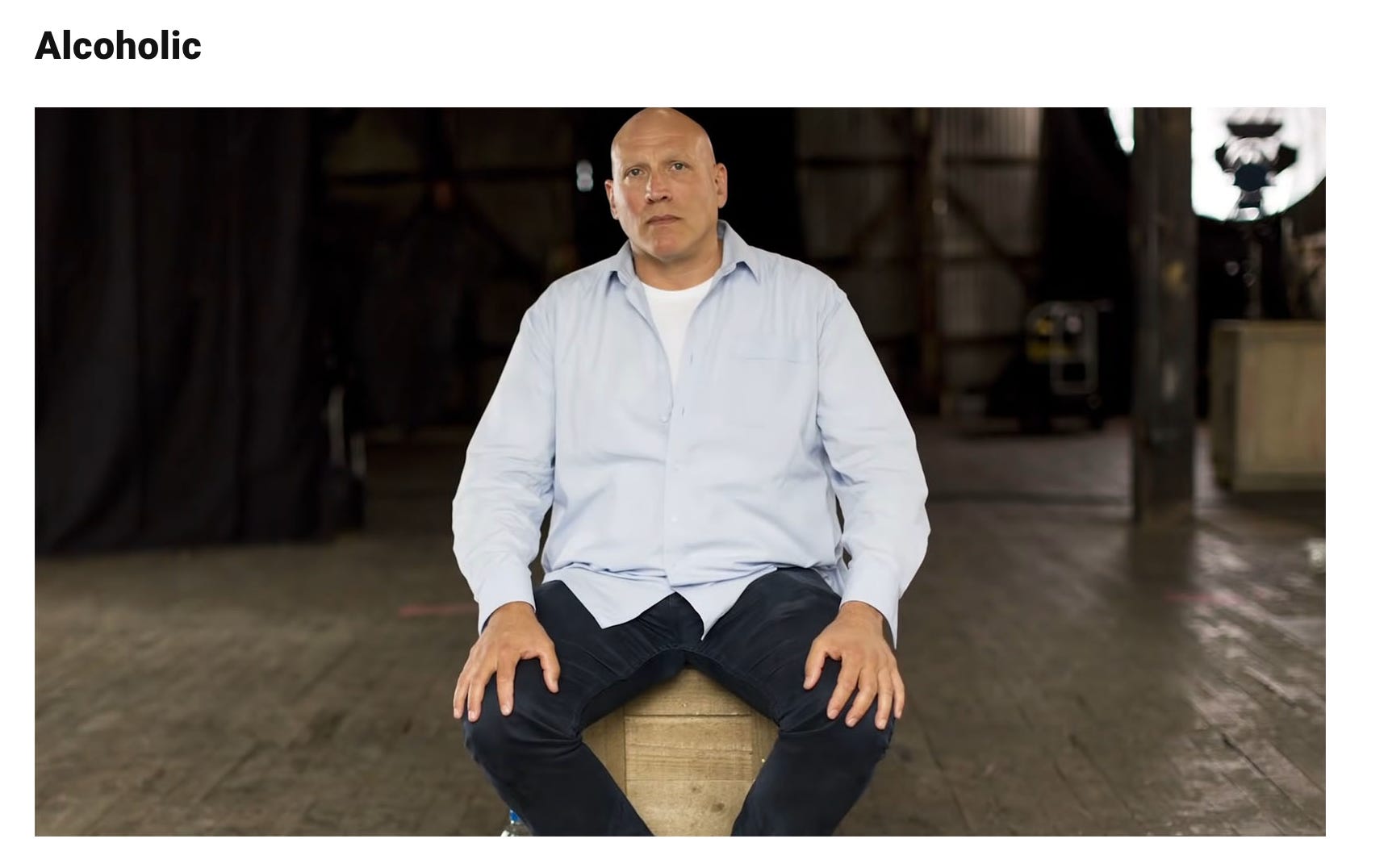
A Canon rep said, “A photograph is shaped more by the person behind the camera than by what’s in front of it.”
— Polina
PROFILES.
— The outsider building Nubank [**HIGHLY RECOMMEND**]
— The $200 billion software titan
— The CEO of Turning Point USA
— The CEO building a defense against the dark side of AI
— The company that allegedly rewards problem gamblers
THE PEOPLE.
The outsider building Nubank: As a kid in Medellín, David Velez slept on the floor during Escobar’s bombing threats, and he paid for Stanford by selling six cows. A humiliating bank visit pushed him to build a $60B+ bank with 140 million customers, and now he’s bringing it to the U.S. The piece ends with him saying “I’ve been an outsider everywhere.” (Colossus)
The $200 billion software titan: At 82, Larry Ellison has built an empire that stretches far beyond Oracle — from AI infrastructure and Hollywood to TikTok, politics, health care, and even the Hawaiian island he largely owns. Vanity Fair portrays him as an octopus whose tentacles reach nearly everywhere. He’s a billionaire still betting enormous sums, backing his son’s media ambitions, courting political power, and racing against mortality to become a figure of historical consequence. (Vanity Fair)
The CEO of Turning Point USA: This profile follows Erika Kirk one year after her husband Charlie’s assassination, as the former beauty queen and behind-the-scenes political spouse suddenly finds herself running the conservative movement he built. With extraordinary access to Kirk, her family, and Turning Point USA, Molot captures the central contradiction of her new life: Erika is expected to inherit Charlie’s political empire even as she seems far more consumed by faith, motherhood, grief, and the hope of seeing her husband again than by politics itself. (Vanity Fair)
The CEO building a defense against the dark side of AI: Palo Alto Networks CEO Nikesh Arora believes AI is about to fundamentally reshape cybersecurity — for better and worse. As AI makes cyberattacks faster, cheaper, and more powerful, Arora is racing to build the defenses to stop them, turning Palo Alto into a $300 billion giant and himself into a trusted adviser to CEOs like Sam Altman. (FORTUNE; reply to this article if you can’t access it)
THE COMPANIES.
The company that allegedly rewards problem gamblers: A ProPublica reporter spent 10 weeks deliberately betting like a compulsive gambler to see whether DraftKings would stop him. Instead, after he chased losses, repeatedly deposited money and blew thousands, the company made him a VIP and showered him with promotions — even after he used its responsible-gambling tools. He ultimately lost $10,702, exposing the problem at the heart of online betting: the same companies promising to protect problem gamblers profit when they keep gambling. (ProPublica)
👉 The Profile is the perfect gift for any occasion! Give a gift subscription to a loved one through the link below:
✨Order the paperback edition of HIDDEN GENIUS below:
