

Good morning, friends!
I turn 35 tomorrow (eek). As I type these words, my brain cannot comprehend that I started this newsletter when I was 25. A freaking decade has gone by.
I am in a totally different stage of life, but I love looking back to see what my problems and worries and anxieties were in my mid-20s. I wish I could slap myself upside the head and go, “Oh stop it.” I’m sure I’ll feel the same way when I turn 45, but alas.
As many of you know, I’ve been doing annual reflections for the last seven years (check out 34, 33, 32, 31, 30, 29, and 28).
If you’ve been a subscriber over the past decade, you’ve seen me get engaged, get married, quit my job at FORTUNE, go all in on The Profile, publish a book, have a daughter, a son, and twins. 😅 We’ve been through a lot together — and I don’t take any of it for granted.
So here are some things I learned at 35:
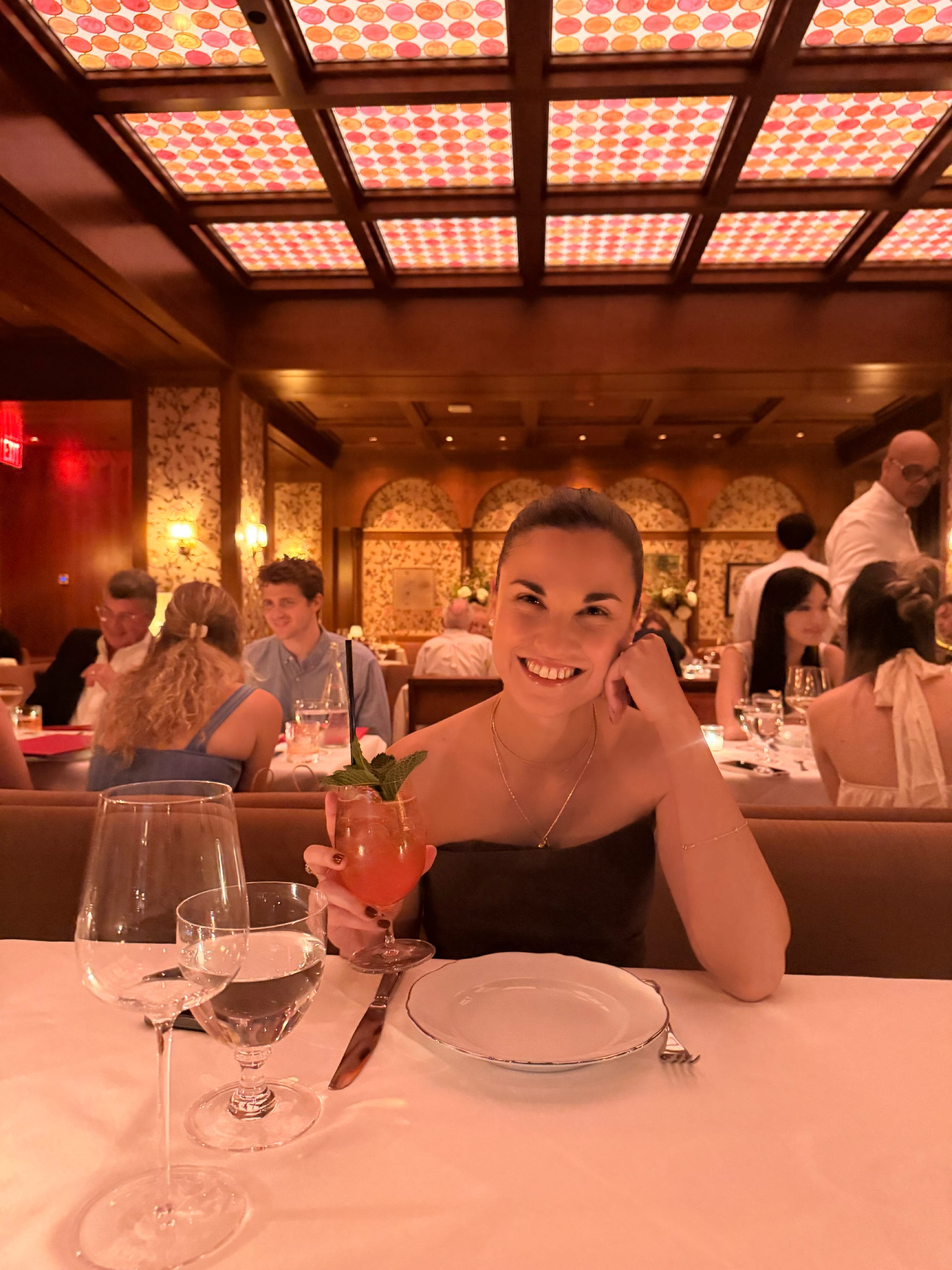
1. Faith is paramount.
This year, I’ve had a number of experiences that have pointed me toward faith.
Between a pregnancy misdiagnosis, a week-long NICU stay with my newborn twins, and many, many more moments of uncertainty, it was easy to get really down and stay down.
I can’t tell you what kept me going other than just a wholehearted belief that it’s in God’s hands. As someone who obsesses over controlling the outcome, this year taught me how to trust and have faith in something bigger than myself.
2. Always, always, always pay it forward.
And faith is about more than just what happens to us. I was reminded of that when I met Alex Mebane in Central Park. He’s an artist who paints watercolor paintings of a chicken — a small, yellow, wide-eyed bird, each one paired with a line of scripture or a simple, handwritten quote.
When I asked Alex how much the paintings cost, he told me: “You pay me whatever you want. This is such a weird gift from God that he knows what I need.”
So I interviewed him for The Profile & shared his story. (You can check out his work here or find him in Central Park.)
My dad often tells me: “Sometimes God helps us, and other times, He uses us to help others.” I believe that the highest form of faith extends beyond yourself — helping others, even in the smallest ways.
There’s a Japanese notion called “the red thread of fate” that says we’re all connected by an invisible string to people whose lives we’re meant to touch. Whether or not you believe that literally, I love the idea that our lives are constantly intersecting in ways we’ll never entirely understand.
3. Calm is a better strategy than control.
It took four kids to make me loosen up a little. With my first, I was so nervous and put so much unnecessary pressure on myself to get everything right. With my second, I stepped on the gas and doubled down even harder. And then with #3 and #4, I finally realized that things won’t be perfect no matter how hard I try, so my brain let go a little.
And now I’m actually — dare I say — chill?
It’s so much better living inside the chaos instead of constantly trying to control it. Four kids make control impossible. And so, once control is off the table, calm becomes a much more useful strategy.
(My dental hygienist once told me that her friend with four kids is so calm, “she has no pulse.” 🤣 That is the level of zen I aspire to.)
Check out the rest of the post below:
My Annual Birthday Check-In: 13 Lessons From my 35th Year of Life

I turn 35 on August 24. As I type these words, my brain cannot comprehend that I started this newsletter when I was 25. A decade has gone by.
THE PROFILES.
— The baseball exec who can’t win enough
— The journalist tasked with reinventing 60 Minutes
— The country star building a massive business
— The star returning to the stage
— The diamond companies battling the lab-grown upstarts [**HIGHLY RECOMMEND**]
THE PEOPLE.
The baseball exec who can’t win enough (gift link): Brian Cashman may be the most accomplished executive in modern baseball, and Yankees fans still want him fired. In 28 years as GM, his teams have won four World Series, reached seven and never had a losing season, yet 16 years without a championship has turned wildly impressive consistency into perceived failure. Wins bring relief more than joy, losses are “crushing,” and he admits the pressure of running the Yankees has come to “control” his life. (The New York Times)
The journalist tasked with reinventing 60 Minutes: Bari Weiss was hired to take 60 Minutes into the future, but it has been no small task. After months of clashes with the show’s fiercely insular staff, she fired its executive producer and several correspondents, then installed tech journalist Nick Bilton, who then clashed with Scott Pelley and fired him too. Now the pair are attempting an ambitious reinvention of one of television’s most storied institutions through younger talent, harder-hitting investigations, a serious digital strategy, podcasts, social media, and a more modern visual style. What if her version of the show is better? (New York Magazine)
The country star building a massive business: Blake Shelton has built a $200 million fortune by turning his “good ol’ boy” persona into a sprawling business empire. After earning an estimated $26 million a year on The Voice, selling his music catalog stake for ~$50 million, and launching the Ole Red restaurant chain, burnout prompted him to walk away from Hollywood and retreat to his Oklahoma ranch. Now he’s back making music, building a production company with ambitions to create “shows for flyover states,” and only pursuing opportunities worth giving up time at home. (Forbes; alternate link)
The star returning to the stage: After years of debilitating symptoms and a 2022 diagnosis of stiff-person syndrome, Céline Dion is staging an unbelievable comeback. The legendary singer — who has performed only once in six years — is undergoing intense physical and vocal rehabilitation ahead of a five-week Paris residency this fall. Here’s a look at her comeback. (Harper’s Bazaar)
THE COMPANIES.
The diamond companies battling the lab-grown upstarts (gift link): Lab-grown diamonds are threatening to upend one of the world’s oldest luxury businesses. A synthetic stone can now be grown in about a week for a fraction of the cost of a mined diamond, sending prices plunging and forcing De Beers and the industry’s old guard to fight back. Their strategy is to sell something a lab can’t replicate — scarcity, provenance and story. (Bloomberg)
👉 The Profile is the perfect gift for any occasion! Give a gift subscription to a loved one through the link below:
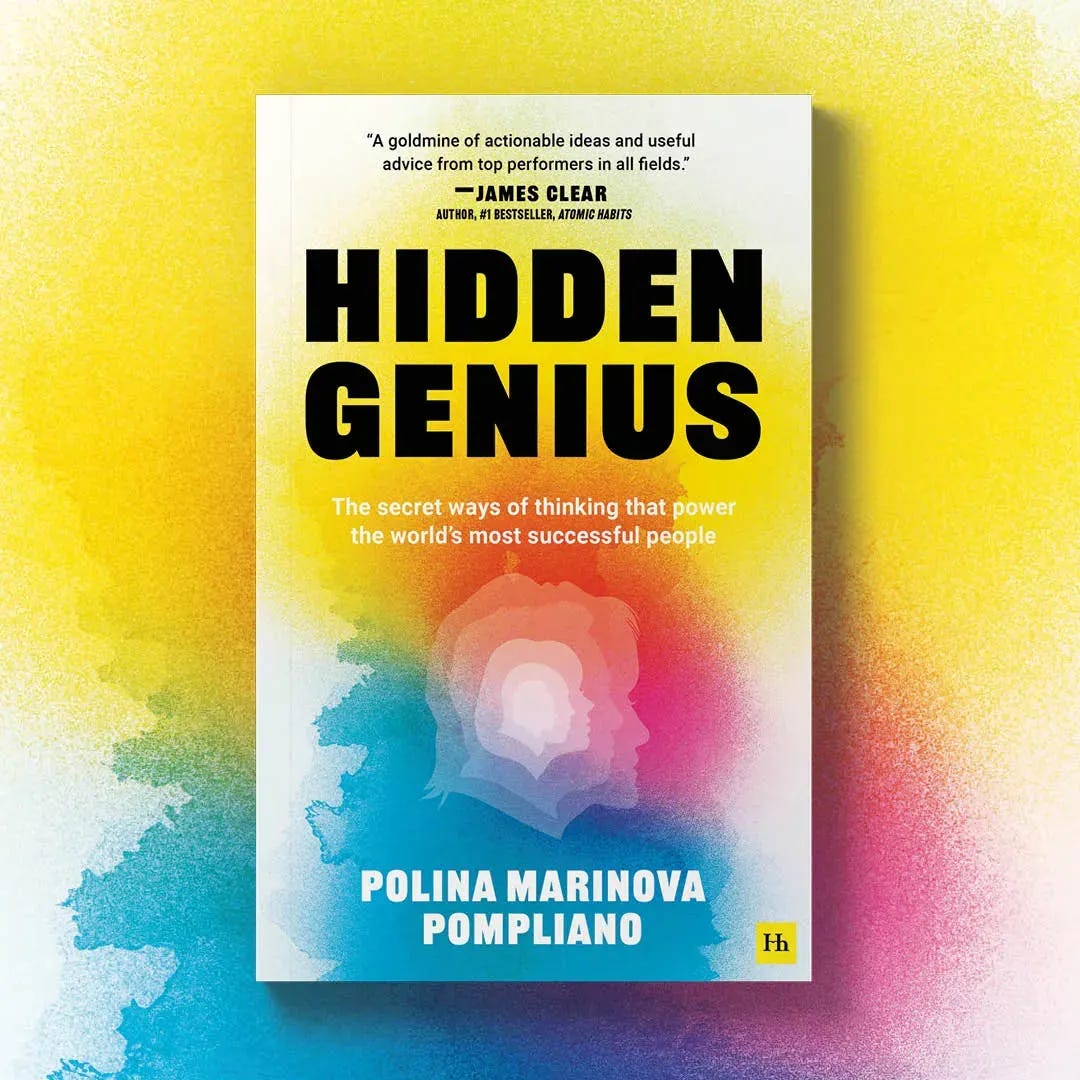
✨Order the paperback edition of HIDDEN GENIUS below:
Happy birthday and congratulations on your success!
Hi Polina,
Con graduations on your milestone in writing.
You have succeeded in a tough competitive field with great writing.
Awesome dinner picture BWY.
Happy Birthday.