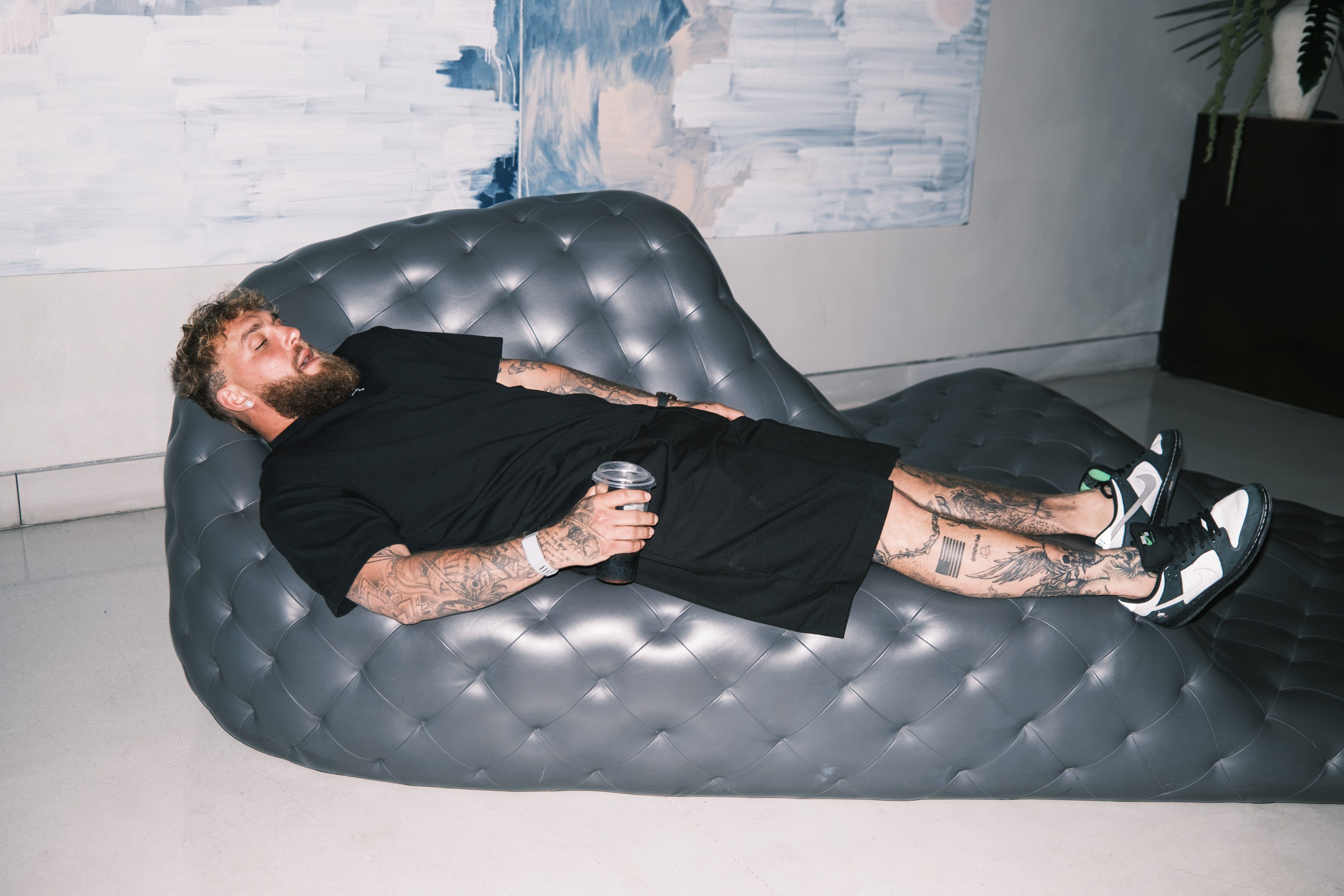
Jake Paul is laying on a curved gray sculpture in the lobby of a Manhattan office building that houses Aquarian Holdings, a $27 billion financial firm. Two men in dress shirts walk in from lunch. One does a double take.
“Oh — hi Jake Paul?” His face makes clear he has just encountered someone in a place where they don’t belong.
“What are you doing down here?”
Jake steps into character. “Hustling, bro. Empire State of mind. What are you guys doing?”
They laugh and state the obvious: “Working.”
“Same, bro. Same.”
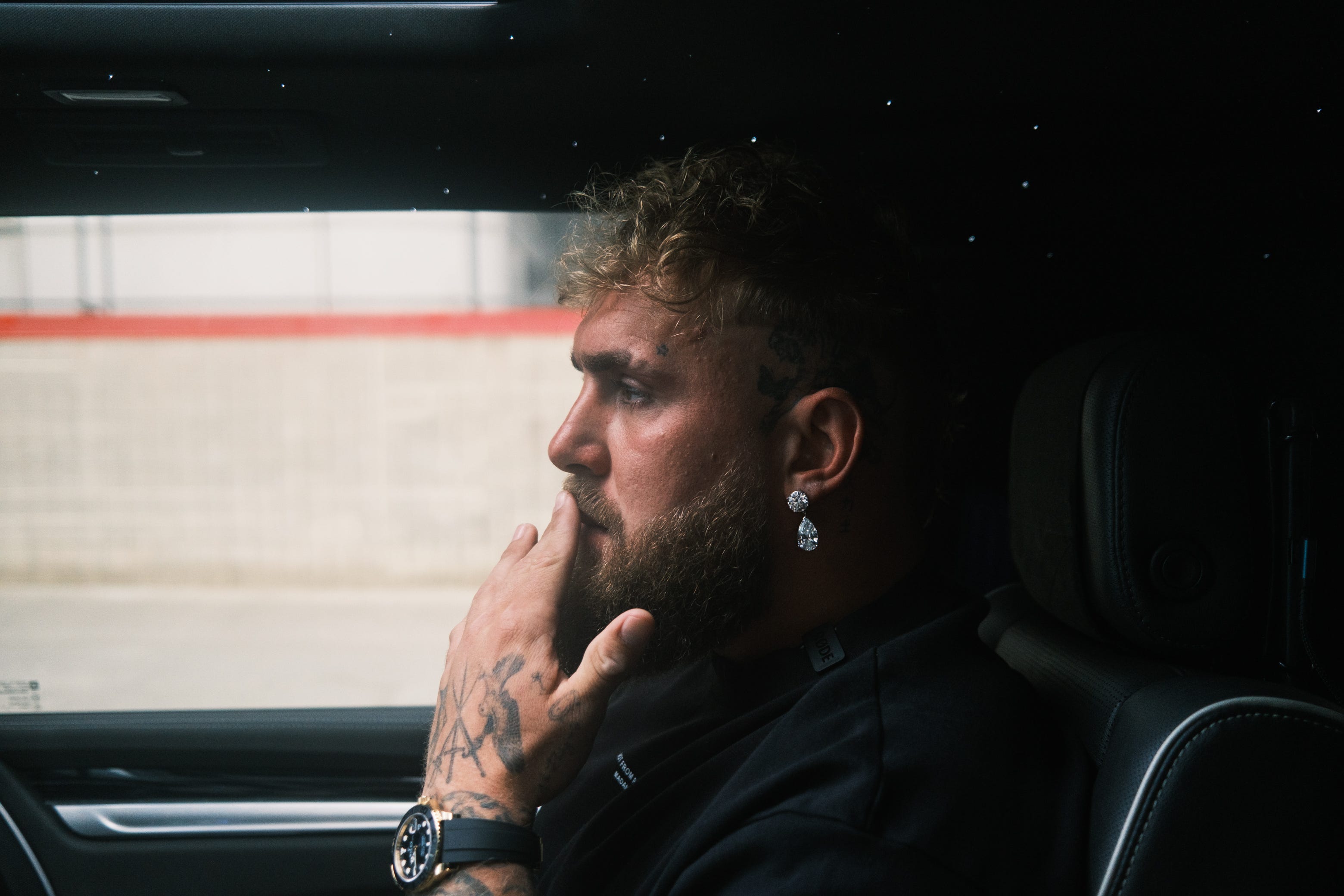
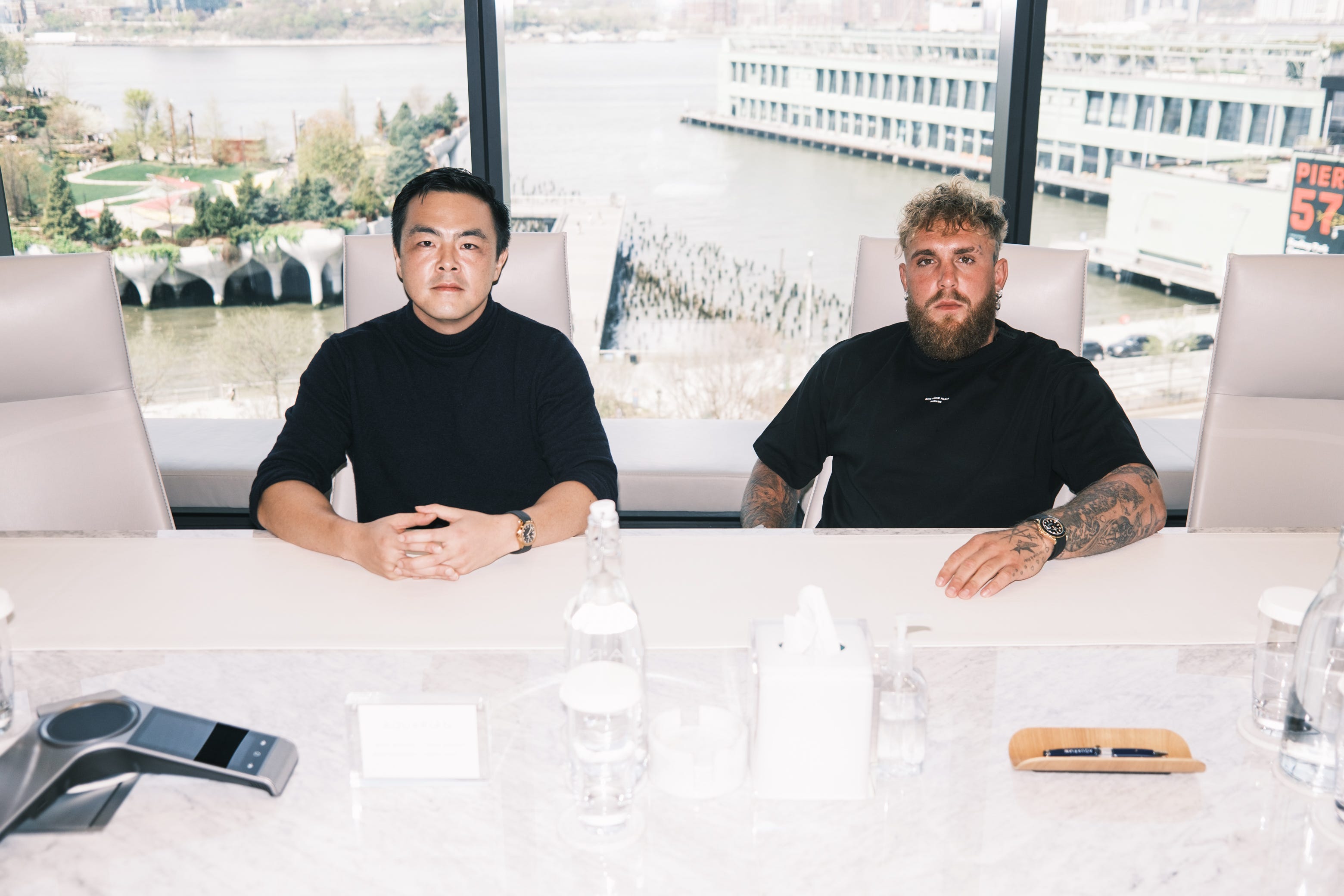
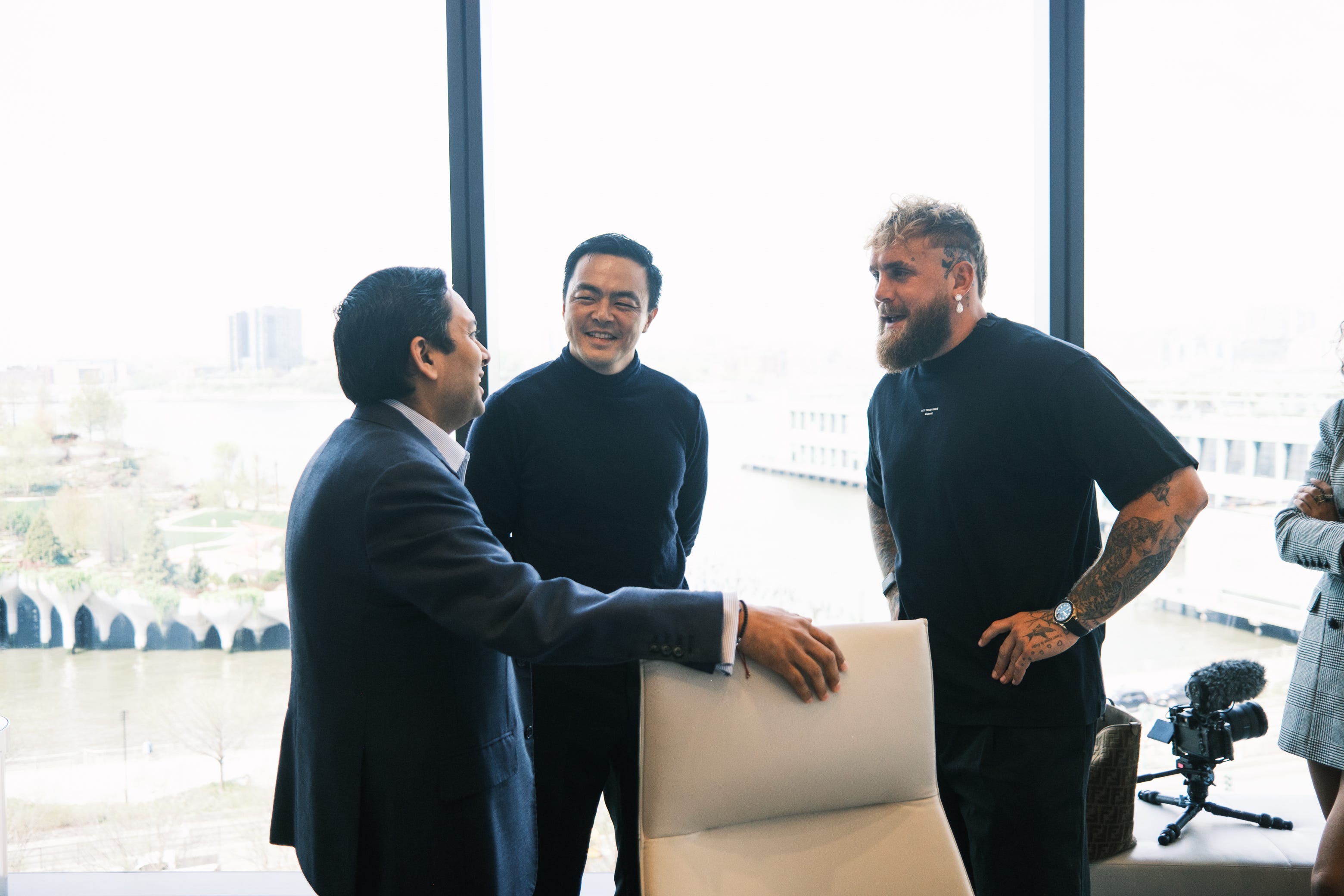
Upstairs, in a glass conference room overlooking the Hudson River, Jake is about to meet with investor Rudy Sahay, whose firm is the largest limited partner in his venture fund, Anti Fund. Geoff Woo, Anti Fund’s co-founder, slides into a chair. They are there to talk about capital — whether Sahay will commit more money to the fund.
It’s not the version of Jake Paul most people are used to seeing. Before I began reporting this story, my understanding of the brothers Jake and Logan Paul was surface-level at best. I remembered Logan’s 2017 “suicide forest” vlog, which showed a dead body and sparked global backlash. I remembered that Jake’s Calabasas mansion was raided by a SWAT team in 2020.
But mostly, I remembered them as the internet’s first “influencers” on the now-defunct social media site Vine, where they posted stunts and skits featuring all sorts of teenage debauchery. I dismissed them as recurring characters in the internet’s endless outrage cycle.
I thought they would eventually fade into obscurity like so many in their cohort, but they never did. In fact, they’re more present than ever. The behavior that makes Jake and Logan hard to take seriously is the same behavior that has kept them at the center of everything.
Over the past two decades, Jake and Logan built a social media empire in public, amassing a combined following of more than 150 million and becoming a case study in growing up in the attention economy.
Even their biggest critics can’t seem to look away from the escalating stunts, the public feuds, the diss tracks (remember “It’s Everyday Bro?”), and the steady drip of controversy.
It’s all part of the Paul brothers’ playbook: declare a bold ambition publicly, repeat it often, direct attention toward it, position themselves as the underdog, introduce just enough controversy — and, over time, the performance starts to tilt toward reality. By the time Jake was pitching his fund at the Aquarian office, he was reinforcing a brand he had been building for two decades.
Today, that Paul brothers brand shows up in some not-so-obvious places. Jake and Logan have each separately co-founded companies like sports drink brand Prime Hydration, boxing promotions company Most Valuable Promotions, personal care startup W, and sports betting platform Betr.
I write deeply reported profiles on power and money. Sign up for The Profile:
At the center of that strategy is Anti Fund, the venture firm Jake launched with Geoff Woo. Logan has since joined as a general partner, helping invest in and promote companies through their combined audience.
Anti Fund’s investment thesis is that capital is abundant, attention is not. At their scale, attention can act as leverage by bringing awareness, shaping a company’s narrative, and driving user growth. Traditional venture firms tend to specialize in a specific industry or sector, while Anti Fund’s portfolio spans everything from consumer brands to frontier AI and defense.
The portfolio includes OpenAI (currently valued at $852 billion), Anduril ($60 billion), Ramp ($32 billion), Whatnot ($11.5 billion), Cognition ($10.2 billion), Physical Intelligence ($5.6 billion), and Modal Labs ($1.1 billion).
The Profile has exclusively learned that Anti Fund’s stake in OpenAI has more than doubled, while an early-stage check into robotics startup Physical Intelligence could turn into a 100x outcome if the company’s next round lands at the rumored $11 billion valuation. Even smaller consumer bets, like soda brand Olipop, have already multiplied several times over.
Jake and Logan understand that brand deals and YouTube revenue won’t make them billionaires. Building companies and investing in startups might. They’re trying to turn attention into ownership — real equity they can eventually cash out — rather than relying on fleeting brand deals.
The Paul brothers forced their way to the center of YouTube and entertainment, where performance eventually evolved into strategy. Logan pivoted to professional wrestling, and Jake to boxing. “All those performances are a vehicle for us to build big businesses,” Logan tells me.
They’ve even turned that ambition into content. I opened YouTube to find Jake and Logan posted a video titled “Jake & Logan Paul Expose Their Billion Dollar Business Plan,” laying out their intent to become billionaires and stake a claim in the world of business.
And now, after spending time with them, I came away with the sense that they genuinely believe billionaire status is within reach — even if declaring it publicly makes it part of the performance.
Logan, 31, says, “It just seems like an accomplishment that Jake and I can both independently achieve in this life. So why not try to achieve it?”
When I ask Jake, 29, when he expects to become a billionaire, he thinks for a moment and lands somewhere around his 35th birthday. But there’s a difference, he notes, between a billionaire on paper and one with a billion in liquid assets.
So which does he mean?
“I’m saying liquid [by] 35 years old,” he says in a way that sounds like he’s making a bet.
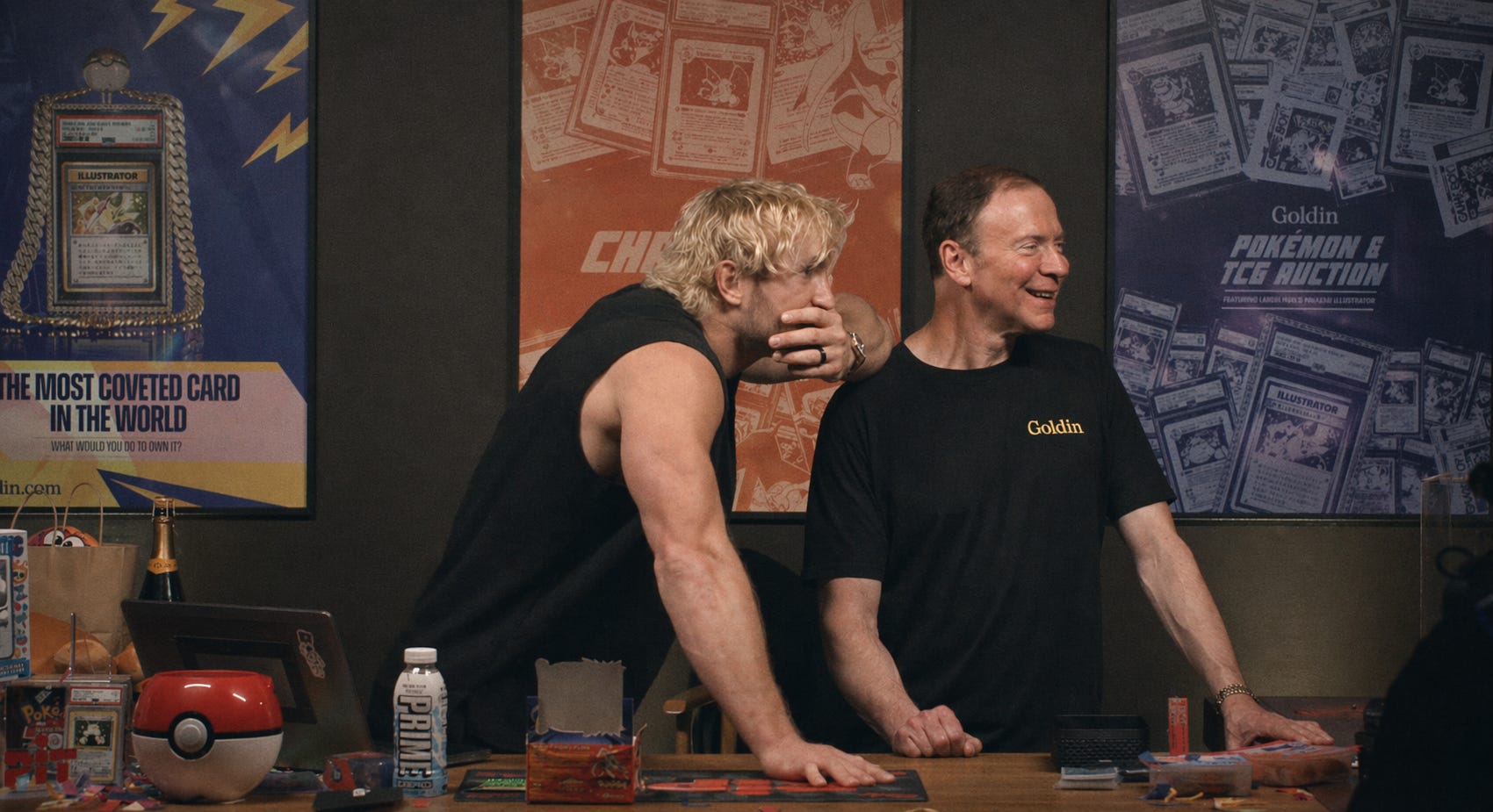
“It’s over, it’s over,” Logan says, out of breath, leaning on auctioneer Ken Goldin behind a long wooden table stamped with the Ripit logo — his new company built around Pokémon cards and premium collectibles. Three cans of Prime Hydration, his sports drink, sit in full view.
He watches the screen in disbelief as the auction for his rare illustrator Pikachu card comes to an end. Someone had made the winning bid for $16,492,000.
Logan, who often speaks in hyperbole, is about to say something that sounds outlandish but is actually true. He had sold “the most expensive trading card of all time.” Logan bought the card in 2021 for $5.275 million, tripling his money in five years.
Suddenly, AJ Scaramucci, investor, collector, and son of financier Anthony Scaramucci, steps on stage and says, “Logan, I bought your card, baby.”
The Pikachu card auction, which generated 2.5 million views on Logan’s YouTube channel, got covered in CNN, FOX, The Los Angeles Times, the BBC, and countless other outlets.
“They know we can’t look away, and they keep escalating the level of insanity,” Scaramucci says. “They tap into that primal, amygdala, fight or flight, animalistic craziness that is society.”
And nothing is more primal than getting punched in the face. Once the Paul brothers discovered combat sports, they started turning the online performance into a business with real money at stake.
Six weeks after the auction, Logan is in New York City for WWE’s “Monday Night Raw.” He’s in a black Escalade being driven between podcast stops ahead of his match at Madison Square Garden.
As we weave through traffic, he explains the difference between his private self and his public persona. “Jake and I have a secret weapon in that we’re not actually the dumbasses that we’re perceived to be,” he says. “This is a façade. This is all a façade.”
I stop him. “Are you performing right now?”
“Kind of, yeah.”
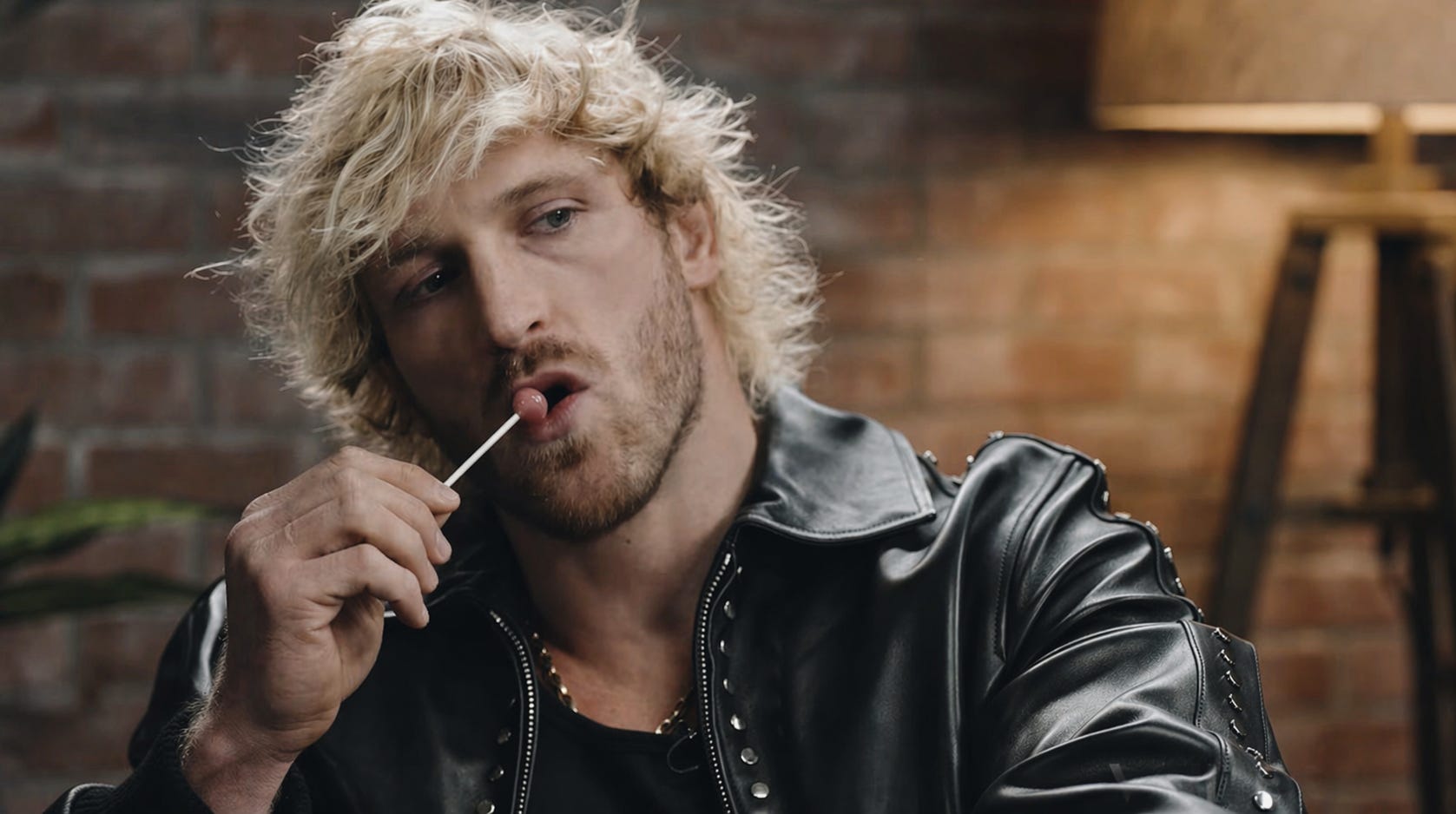
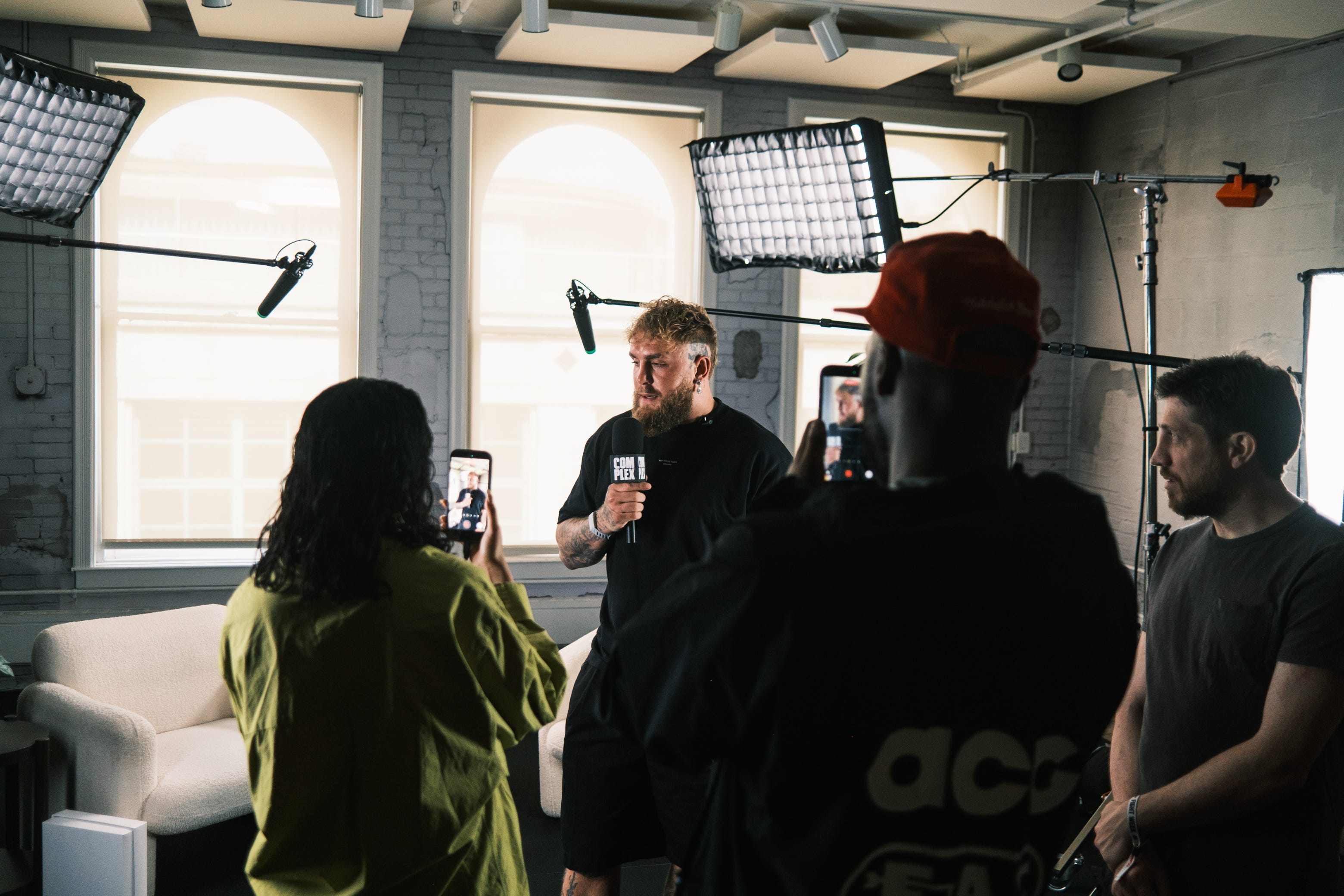
Minutes later, he’s heading into Caleb Pressley’s comedic podcast, “Sundae Conversation.” Logan tells me he’ll conduct the interview “in character” as a “fucking dumbass dickhead that people love to hate,” before beelining toward a jar of lollipops, grabbing a pink one, and walking on set.
The transformation is jarring. Logan turns from the reflective, almost philosophical version of himself in the car into the jockish character I had seen on the internet — yet off camera, he tells me he’s into sci-fi, animé, Pokémon, collectibles, and dinosaur documentaries.
When the podcast ends, he drops the persona. He’s in the elevator debriefing with his team — breaking down what worked, what didn’t, and how it could be better next time. “I have really high standards for the content we put out,” he says. “Maybe unrealistically high sometimes.”
Professional wrestling has a word for this: “kayfabe.” It’s the practice of treating performance as reality, never breaking character, and protecting the illusion at all costs. The Paul brothers have been refining this skill for most of their lives.
In 2007, two years after YouTube launched, Logan, 12, and Jake, 10, created a channel where they uploaded prank calls, backyard stunts, and low-budget sketches to an audience of strangers.
The views began growing, and brand deals followed. In college, Logan asked his dad, who worked as a commercial roofer, how much he had made in his best year.
$120,000.
“I was like, ‘Dad, I made that much this year, and I’m 18,’” Logan says. “I think this internet stuff has some legs. I’m going to pursue it.”
He dropped out of college and moved to Los Angeles. Jake followed, leaving high school to do the same.
Subscribe here to receive longform profiles of the world’s most successful people.
When influencer Amanda Cerny first met Jake and Logan, they were living in the same apartment building. “From the very beginning, they wanted to launch businesses,” Cerny says, recalling how Jake tried to convince the Vine influencers to start a clothing brand together. “They saw that eyeballs meant dollar signs, so attention was really valuable.”
In 2016, Jake launched Team 10, a content house and talent management agency where creators collaborated on videos and tried to make them go viral every day.
Justin Roberts joined at age 14. “I went over to the Team 10 house, and [Jake] was filming a video where he was going to blow up a car in the desert,” Roberts says. “We were building homemade water slides, pulling pranks on each other, [creating] dating gossip — all to get the attention of the audience.”
As Jake reflects on that period now, he calls it “the YouTuber Disease” — the compulsive cycle of feeding the algorithm, each video more extreme than the last. He takes responsibility, saying he feels “guilty” for helping to perpetuate an internet culture of constant escalation.
“I didn’t know anything about life,” he says. “I was just full steam ahead. I didn’t care about consequences. I didn’t understand my impact. I didn’t understand emotional intelligence.”
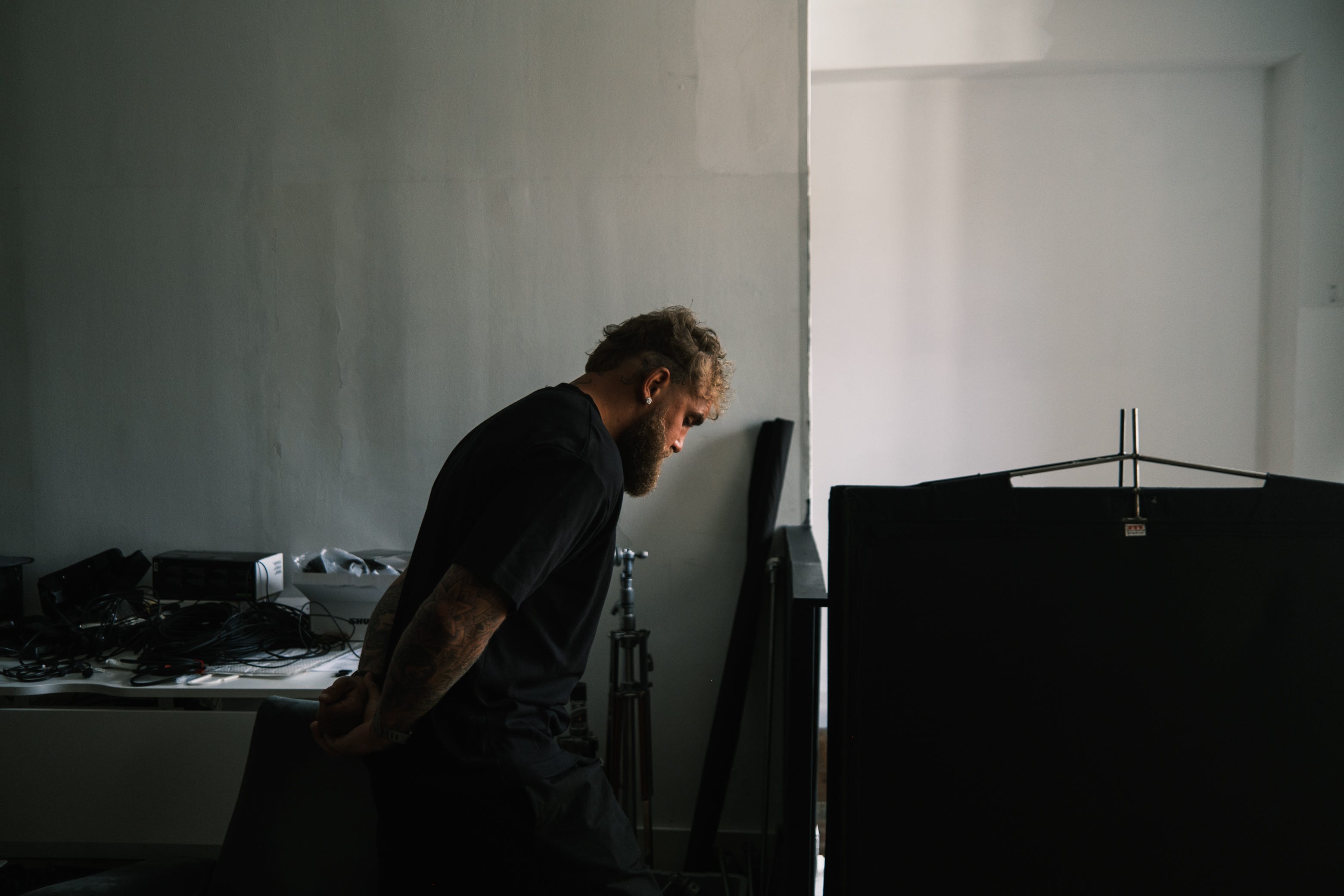
Things came to a head in 2020, when FBI agents, accompanied by a SWAT team, raided his home and seized multiple firearms. The raid followed charges in Arizona for misdemeanor criminal trespassing and unlawful assembly — both of which were later dropped.
After Team 10 disbanded in 2020, Jake turned to boxing where the performance and the attention are central to the business. With his combat sports promotion company Most Valuable Promotions, he is the owner, not the talent. He controls the narrative and the economics.
By April 2021, Jake had beaten two YouTubers and a former NBA player, but few in boxing took him seriously, dismissing him as a showman. His match against Olympic wrestler and MMA champion Ben Askren was seen as his first real test, and Jake leaned into his “Problem Child” boxing persona by provoking Askren and calling him “a pussy ass bitch.”
“At that point, no one knew how good Jake was,” Askren tells me. “Unfortunately, he was better than what I anticipated, and the fight didn’t go so well for me.”
Jake knocked him out in under two minutes. Soon after, Jake appeared on Logan’s podcast and focused on the metric that mattered most to him: the earnings.
The match generated a whopping 1.3 million pay-per-view buys at $50 each — a roughly $65 million event.
Even when he’s losing, he’s still winning. More recently, 33 million viewers tuned in to watch Anthony Joshua knock out Jake and break his jaw. It was a brutal defeat, but Jake still reportedly made $92 million. By some estimates, his total boxing earnings now fall between $170 million and $200 million.
All across social media, critics insist that Jake isn’t a real boxer, that he handpicks his opponents, and that his career is more entertainment than sport.
And yet, here we are all watching, putting millions of dollars in his pocket.
In a TikTok video, Jake Paul smiles and counts down: “3, 2, 1 … I’m gay!” A makeup palette appears in his hand. “I’ve got a makeup set, guys. Oh my gosh, it looks amazing.”
The nine-second clip racked up 25 million views. It’s Jake, but not exactly. He had licensed his name, image, and likeness to OpenAI’s text-to-video platform Sora, allowing users to generate hyperrealistic deepfakes of him.
To many people’s surprise, it was later revealed that Jake was advising OpenAI on the development of the Sora product. After meeting Sam Altman at Donald Trump’s second inauguration, he began working closely with the team, weighing in on everything from high-level direction to details as granular as button design.
As both investor and distribution engine, Jake helped OpenAI garner more than one billion views on the Sora product in six days — an estimated $57 million in organic media value for the company.
Six months after Jake’s videos went viral, OpenAI shut Sora down because running it proved to be astronomically expensive for the company.
A similar dynamic played out during the early days of Jake’s personal care brand W (the name is a nod to “winning”). The launch drew millions of eyeballs and brought in customers, but it couldn’t make them like the product.
Users of the W deodorant criticized the glide (“shit is so dry and hard to put on”), the scent (“it smells like alcohol wipes”), and some even made a bizarre claim that it ripped out their armpit hair.
“Normally, companies start with something and build, grow, change, iterate and continue to refine — and then they get more and more customers,” Jake says. “W had a ton of exposure on day one.”
In March, W debuted a “new and improved” formula as an answer to the customer feedback. “It’s fair to say that not everything we touch turns to gold, but I think it’s standard for an early stage venture firm,” Anti Fund co-founder Geoff Woo says. “You try, you launch, and then you run it back.”
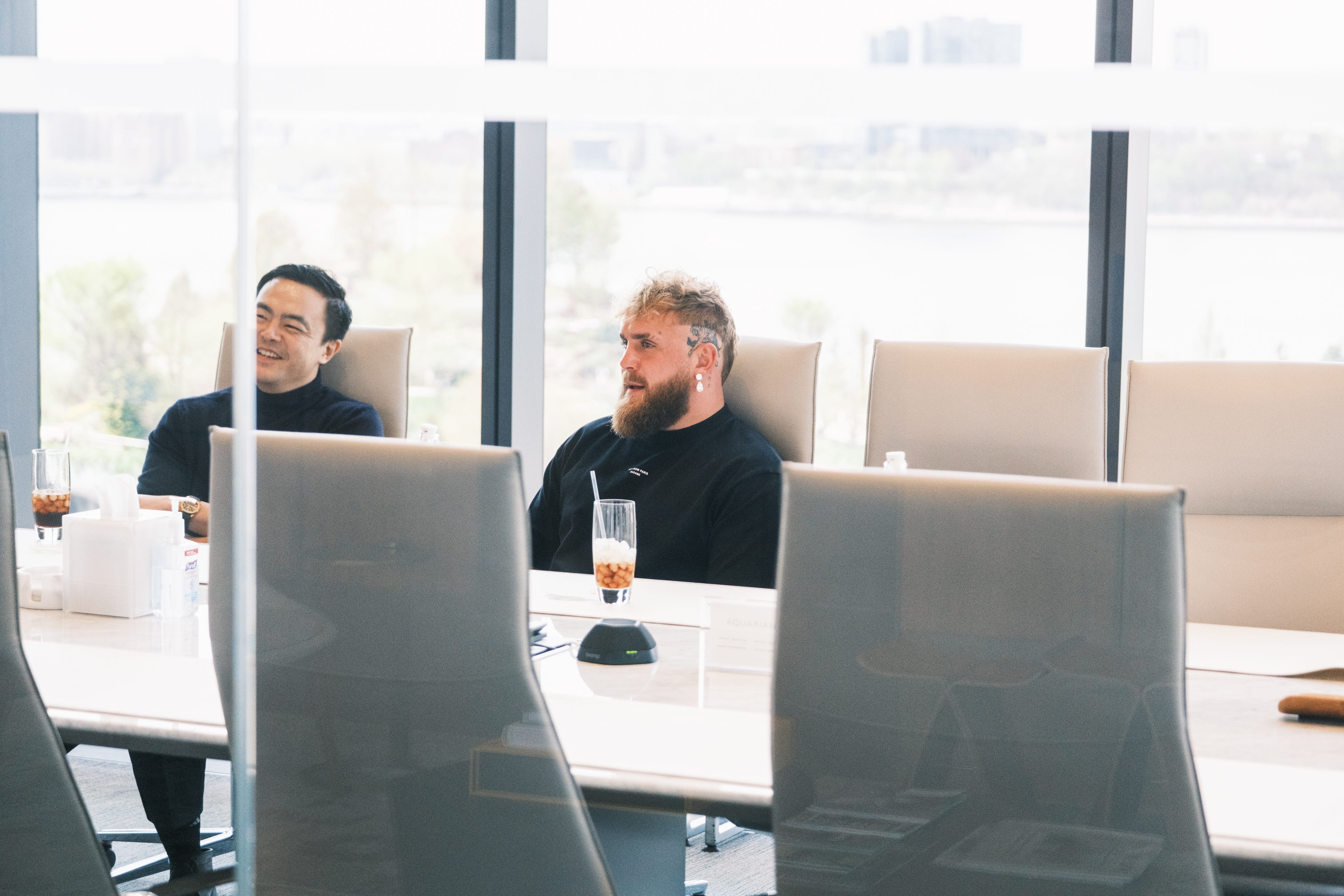
As a Stanford computer science graduate and a seasoned operator, Woo brings institutional credibility to the partnership. In conversations with founders and investors, he is consistently described as the one driving deals — “an absolute stud,” “a sharp investor,” and “an ultimate brain.”
Though Woo and Jake had met years earlier, they reconnected at a Miami tech party in 2021. The two formalized their personal investing into a $10 million rolling fund, which has returned roughly half of investors’ capital within five years.
Anti Fund has since scaled. Its first early-stage venture fund was $30 million, and it is now raising a second expected to reach $50 million, according to people familiar with the matter. It is also reportedly raising a $150 million growth vehicle targeting more mature companies.
Anti Fund’s limited partners consist of individuals, entrepreneurs, and institutions, including Marc Andreessen and Chris Dixon of a16z, as well as Aquarian Holdings and Autilus Partners.
When I ask Jake if it bothers him that some people see Woo as the dealmaker and him as the distribution engine, he pauses for a long time before responding. “Um, I mean, I’ve never even heard someone say that, but I don’t give a shit,” he says. “As long as our LPs — and we — are making money, and the flywheel is working, that’s all that matters.”
That flywheel is most visible at the company level. When Joey Levy was building Betr, Jake’s involvement extended beyond capital.
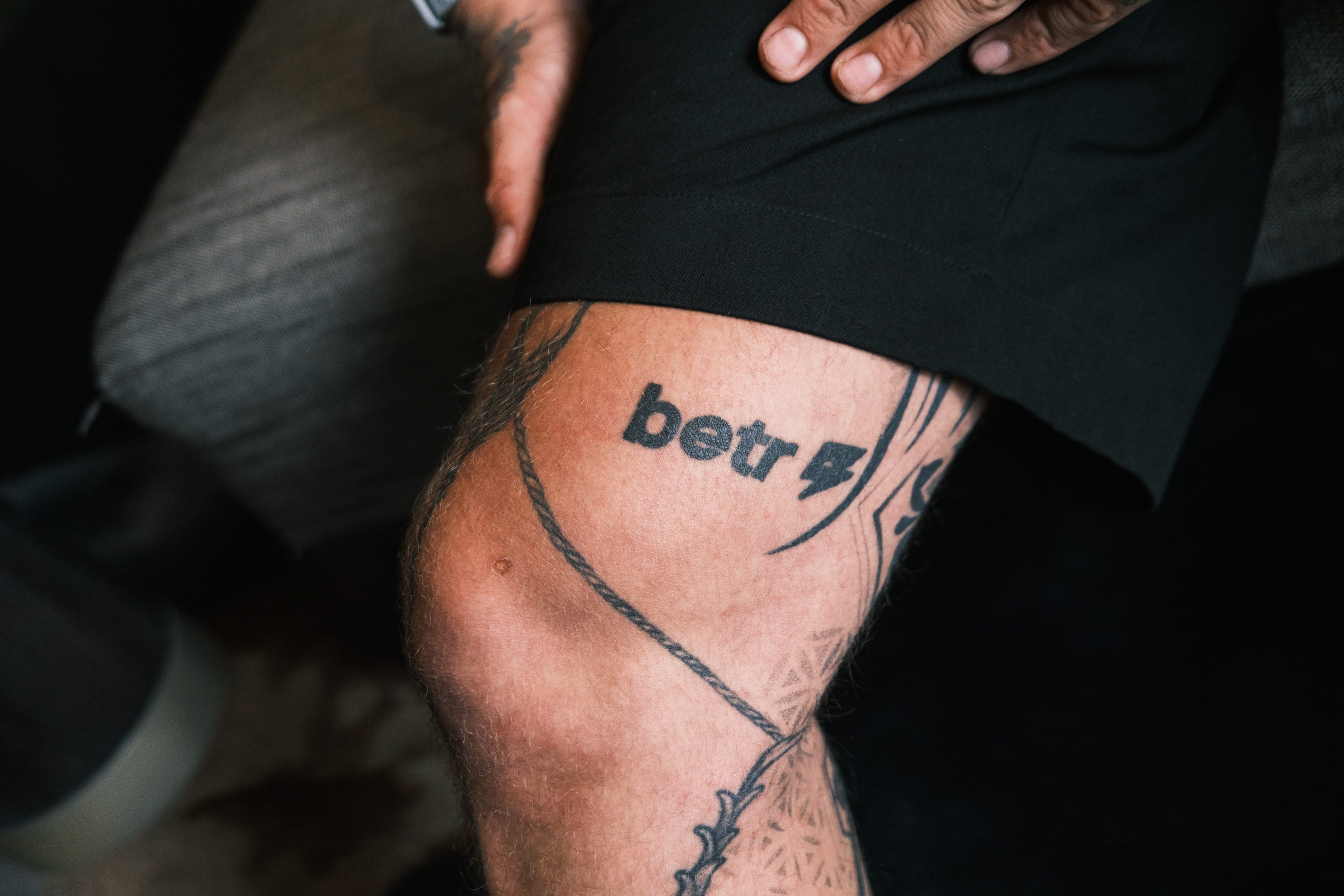
He kicked off an 8-minute YouTube video by explaining Betr’s model and revealing he’d gotten the company’s logo tattooed on his leg. The stunt generated 2 million views, giving Betr instant visibility without a traditional marketing budget. The $50 million fundraise that followed was covered across major news outlets.
When the alignment between the company and the Paul brothers’ audience is strong, the model starts to make sense. Logan’s early investment in the live-shopping platform Whatnot, which mirrors his audience’s interest in collectibles, has multiplied significantly.
The founders approached Logan during their Series A round. Logan invested $100,000 in 2021, when the company was valued at $90 million. Today, Whatnot is valued at $11.5 billion, which would put his stake somewhere in the $10 to $12 million range, depending on dilution. His name is listed beside investing heavyweights Andreessen Horowitz, Sequoia Capital, Lightspeed Venture Partners, and CapitalG.
Harry Stebbings, investor and host of the 20VC podcast, explained it this way: as technology gets cheaper to build, founders will increasingly prioritize distribution. In other words, the ability to get a product in front of millions of people quickly may matter as much as the product itself.
That approach has produced both breakout successes and volatility. Prime Hydration, the sports drink Logan co-founded, produced more than $1.2 billion in revenue in 2023 before projections dropped sharply in the following years.
Media reports have pegged Logan’s stake at around 20%, though the company has never confirmed the exact ownership split. Majority control sits with Congo Brands, which handles manufacturing and distribution, while Logan’s role is to drive attention.
Anti Fund is built on a similar premise, and not everyone in venture buys the strategy. Several investors described it as thin — more narrative than substance — arguing the fund’s approach lacks specificity. One investor, speaking anonymously, said his conversations with the group felt unsubstantiated, with little evidence of an original approach beyond access and amplification.
That amplification only intensified in December, when Logan attached his brand to Anti Fund, announcing he was joining as a general partner. “I have two of the top five American tastemakers of the millennial and Gen Z [demographic],” Woo says. “We’re not afraid to talk a little shit and shake things up.”
When I first heard Jake and Logan say they want to be billionaires, I dismissed it. It’s an audacious goal under any circumstances — let alone by age 35. But I still decided to pressure-test this claim. What would it actually take?
As a teenager, Jake thought about becoming a billionaire as a game — almost like Monopoly, where the objective is simply to win. Over time, he says, it became more about what the number represents. “It’s freedom,” Jake says, describing it as the ability to say what he wants and provide long-term security for his family.
The path to a billion dollars is inherently difficult because it requires generating — and holding on to — an inordinate amount of wealth. Jake and Logan have to earn cash, convert it into ownership, let that ownership compound, and eventually turn it into liquidity.
The brothers have already proven the first step. Between YouTube, boxing, WWE, and brand deals, they’ve earned hundreds of millions of dollars in cash.
The second step is underway. Instead of relying solely on sponsorships, they have taken ownership stakes in companies like Prime and Betr, while investing through Anti Fund.
The numbers, however, show how far there is to go. Betr, which is valued at $375 million, might make Jake tens of millions depending on his stake, which is meaningful but not transformative. For it to matter at a billionaire scale, it would need to become a multibillion-dollar company and compound over time.
Similarly, W was last valued at more than $150 million in 2024. If Jake still owns a sizable piece, that stake could be worth real money on paper. But unless the company grows far beyond that mark, it’s unlikely to close the gap to a billion.
Logan comes closer. Estimates have placed his sports drink brand Prime between $3 billion and $8 billion at its peak, according to CB Insights — which would have put his ownership stake at around $1 billion on paper back in 2023.
But he’s not a billionaire yet. The valuation isn’t confirmed, his stake isn’t liquid, and the business itself has already proven volatile, with revenue projections declining from their 2023 peak.
This is where it gets complicated. Compounding is what creates billionaires, but it takes time, and most investments don’t work. The bet Jake, Logan, and Geoff Woo are making is that attention can compound into real equity, and that a few outliers will be big enough to matter.
The risk isn’t purely financial either. In 2023, Jake settled with the SEC over touting a cryptocurrency without proper disclosure, which underscores that reputation may be the most fragile piece of the entire strategy.
Ryan Serhant, the real estate entrepreneur known for turning attention into business, frames the challenge more broadly: “Durable brands have to outlive algorithms, and that’s hard.”
Even if they clear that bar, there’s one final hurdle: liquidity. Jake explicitly says that he’s not aiming to be a billionaire on paper. He’s aiming to be liquid.
But time is the constraint. Whether the Paul brothers become billionaires won’t depend on their ability to make money. They’ve already proven they can do that. The question is whether they can turn something as fleeting as attention into something that lasts.
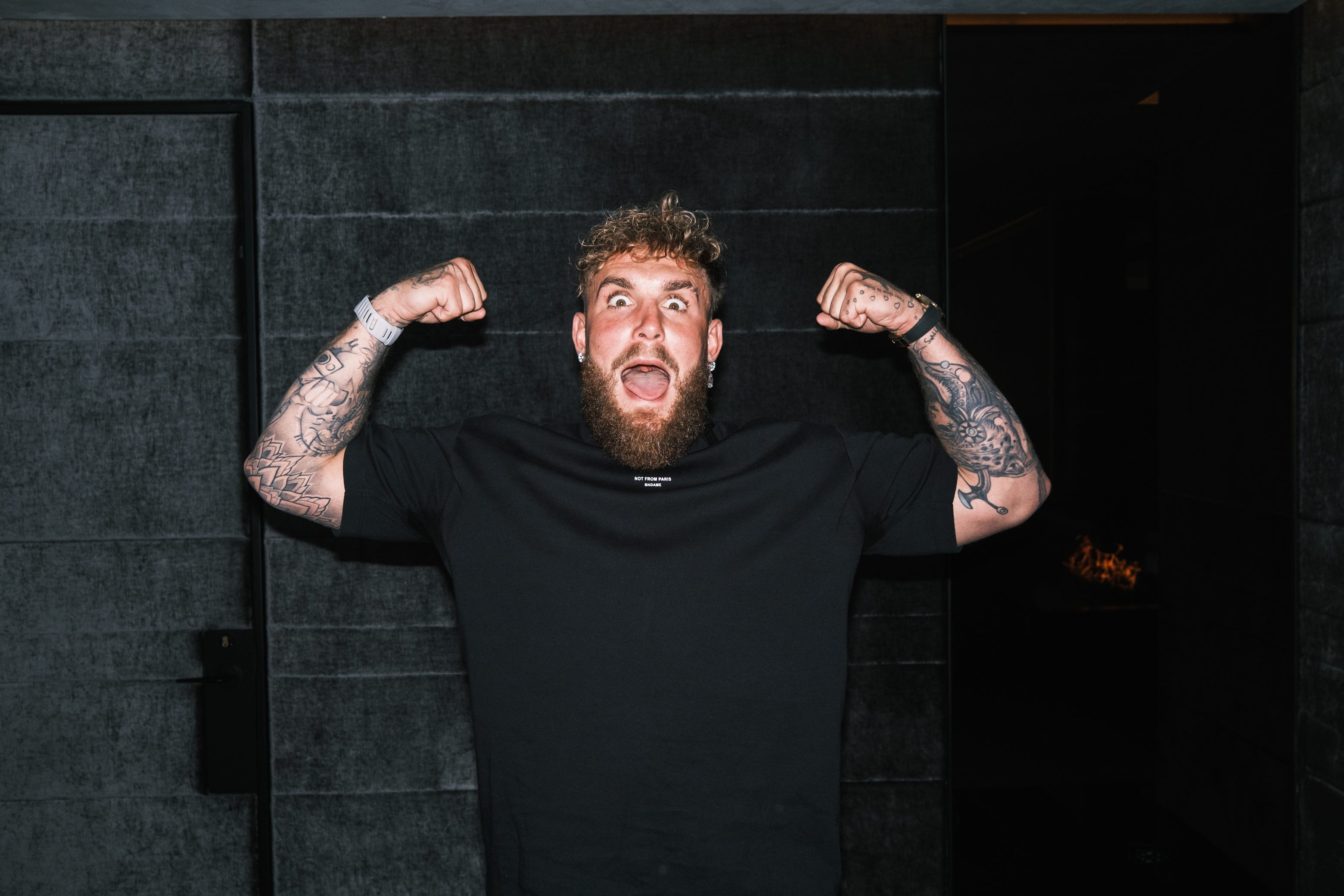
When I suggest that some still see Jake as nothing more than an entertainer, he tells me a story about hosting people at his house for a recent event.
“I start talking about Anti Fund, our investment strategy, the markups, and you can tell they’re like, ‘What the fuck? I didn’t expect that,’” Jake says. “Some of the people there were telling my team, ‘Oh, he’s actually smart?’”
I ask if that bothers him.
“I guess the results will speak for themselves,” he says.
It’s a question I was asked repeatedly while reporting this story: Are they actually smart? By traditional measures of intelligence — credentials and pedigree — they’re easy to underestimate.
Their advantage is a more creative form of judgment in that they know how to manufacture moments, turn them viral, and convert that attention into tangible opportunities like deal flow.
More importantly, they have shown an ability to stay culturally relevant while anticipating where the world is heading — backing companies like observability firm Chronosphere and drone startup Aerodome early, before they were acquired for $3.35 billion and $300 million, respectively.
Both brothers are careful with their words, intentional about how they present themselves, and acutely aware that declaring a path to billionaire status is both a goal and a form of content. Jake, in particular, has built a team of experienced operators, allowing him to focus on attention while they handle the sourcing and execution of deals.
The structure isn’t unusual, but the reaction to it is. Athletes like NFL star Saquon Barkley invest in a similar way, surrounding themselves with seasoned partners to manage the details. The difference is perception. Jake, with years of internet baggage, is still treated as an outsider.
“Everyone my whole career underestimates me, and then I surpass expectations, and they’re like, ‘Oh, okay, well,’” Jake says. “I think anytime you start to break out of the norm and do something different in life, you’re always going to have haters.”
What surprised me most about Jake and Logan is how much they care. On set, during the Sundae Conversation podcast taping, a joke about Logan’s daughter lands a little too close to home. For a moment, the mask drops, and he recoils and pushes back, telling the host to cut that part.
When I ask about times when he has taken a reputational hit, his demeanor changes from warm and gregarious to a much more guarded version of himself.
For most of their adult lives, Jake and Logan have been defined by the internet as “obnoxious assholes” and “famous for being famous.” They are not as indifferent to it as I expected.
They are still intent on controlling how they come across — even if that control provokes more hate and, in turn, more attention. Logan obsessively reviews and edits every single video, clip, and post that goes out on his social media channels. Jake hired celebrity attorney Alex Spiro to pursue legal action against people who question the legitimacy of his boxing matches.
“There’s a certain sector of the audience that still thinks I’m the 21-year-old YouTube kid,” Jake says. “A lot of my haters don’t know enough about me. I think people react to different versions of who they think I am.”
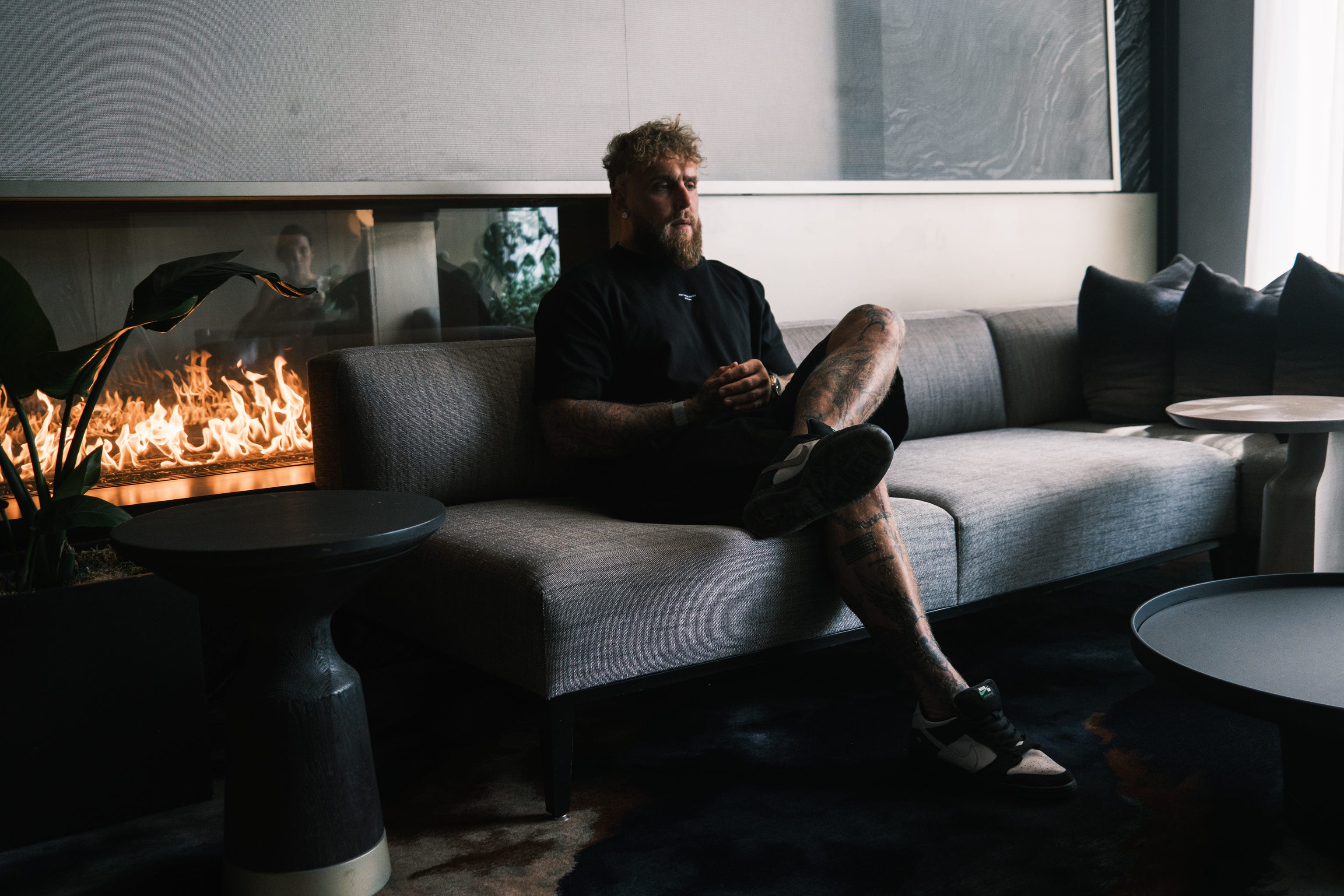
That gap between perception and reality is part of what attracts them to business. It’s one of the few areas where they can prove the work is real, and, by extension, that they are too. The problem with applying their attention playbook to business is that it leans on traits — like cockiness and provocation — that run counter to a field that tends to reward restraint (or at least the appearance of it).
As Jake’s driver parks in front of the Aquarian Holdings office, he tells me he wishes fundraising could be reduced to a five-sentence pitch: “I just want to walk in the room and be like, ‘Hey, you’re going to make a fuck ton of money. Bet on me. I have a great track record. I’m putting all my money into it. If you don’t want to do it, peace out.’”
It’s a pitch that has worked on the internet for two decades: bet on me. And in some ways, the room he’s walking into isn’t as different as it seems. Even here, the attention of the most traditionally successful people in the office bends toward him.
During my time with them, Jake and Logan both kept returning to the same idea: at the highest levels of wealth, the path you took to get there matters less than the fact that you made it.
Eventually, the winners all end up in the same room.
–
Written by Polina Pompliano | Edited by Laura Entis | Photos & video by Stephen Yang