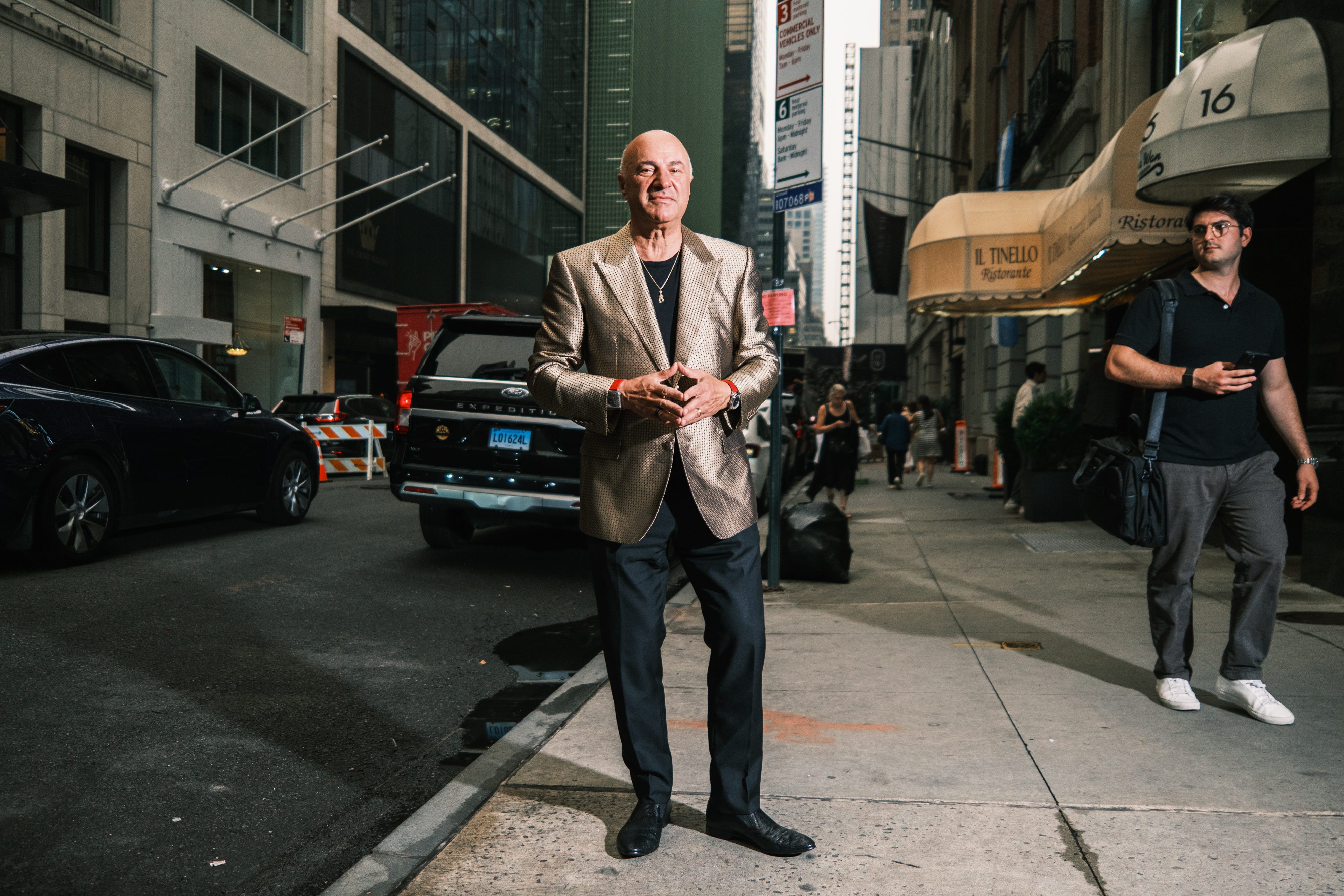
Kevin O’Leary is dressed for television in his signature black suit with a red pocket square.
Minutes before he is scheduled to appear on Fox Business, he whips out a diamond-encrusted chain from a nondescript green bag and drapes it around my neck.
“It’s heavy, right?” he says.
It is.
The necklace — designed by Tiffany & Co. — is made from 2.2 pounds of white gold and contains 110 carats of diamonds and rubies. Dangling from the center is a one-of-one Jalen Brunson trading card signed by the Knicks star himself.
I keep waiting for O’Leary — the sharp-tongued investor, entrepreneur, and Shark Tank star — to tell me why the necklace is valuable, but he doesn’t. Instead, he tells me why it’s beautiful.
He traces his finger along the chain, explaining why the links taper from large to small toward the center. Then he starts talking about rubies — how difficult they were to match, how many stones were rejected, and how long the process took.
I give it back, and he puts it around his own neck. “It’s a real showstopper,” he says.
A producer begins to clip a microphone to his lapel. O’Leary glances down at the necklace.
“Oh,” he says. “I guess I should take this off now.” He does, but carries it with him onto set.
O’Leary goes on the Fox Business show Varney & Co. to talk about AI, Bitcoin, and the Los Angeles mayoral race. But during the last commercial break, he asks host Stuart Varney if he can spend the final 30 seconds talking about the necklace.
“Fine. But you only have 30 seconds,” Varney shoots back.
The New York Knicks are in the middle of their historic playoff run, and O’Leary has borrowed the Jalen Brunson trading card for the day, hoping to draw attention to the booming sports card market.
The cameras roll, and he turns it on. “Go Knicks! Go Jalen! I’m wearing you tonight,” he says as he holds up the pendant for the audience. “Look at this baby in Tiffany diamonds and rubies.” He kisses the card. “This is a winner right here.”
Varney cuts in: “OK, time’s up buddy.”
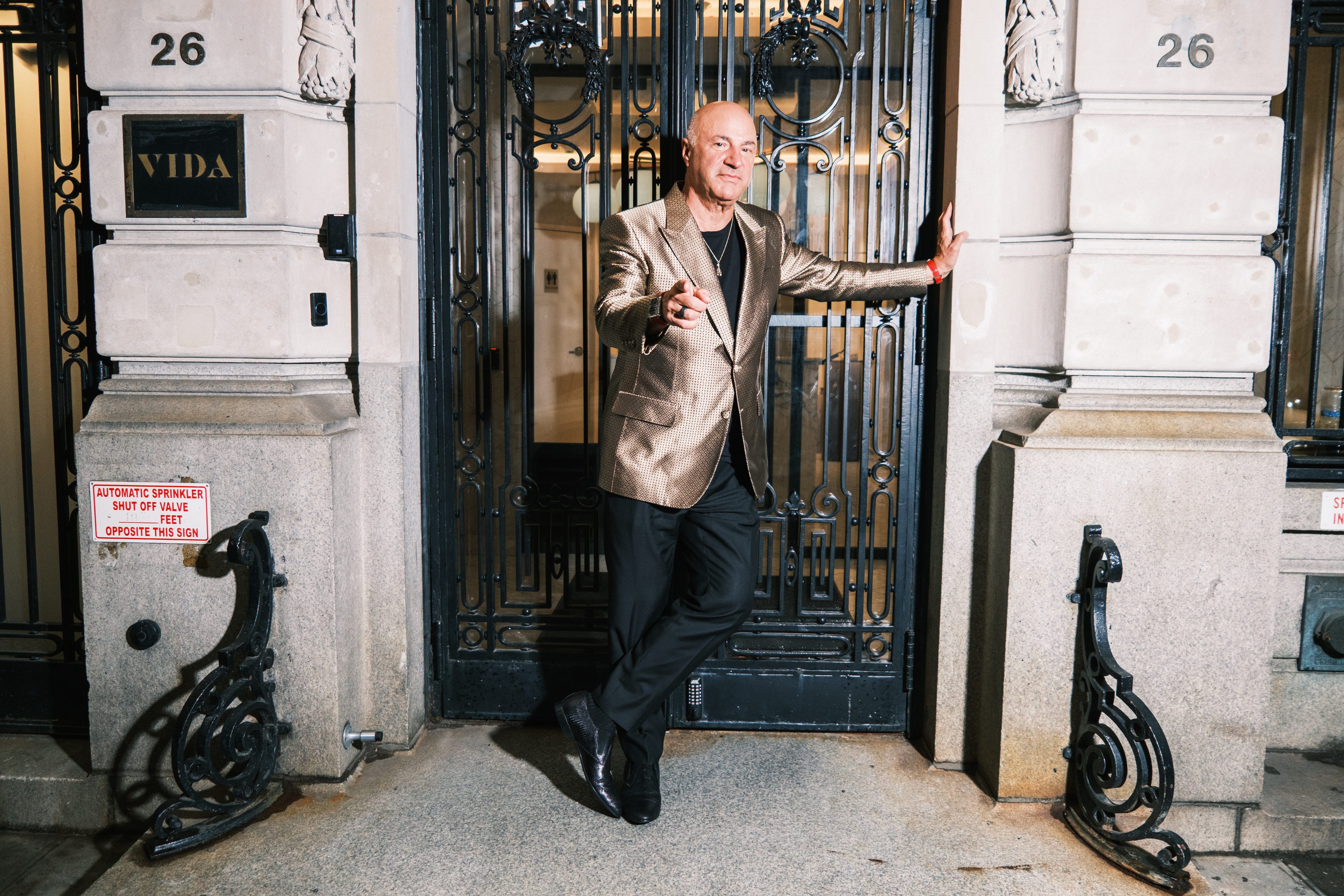
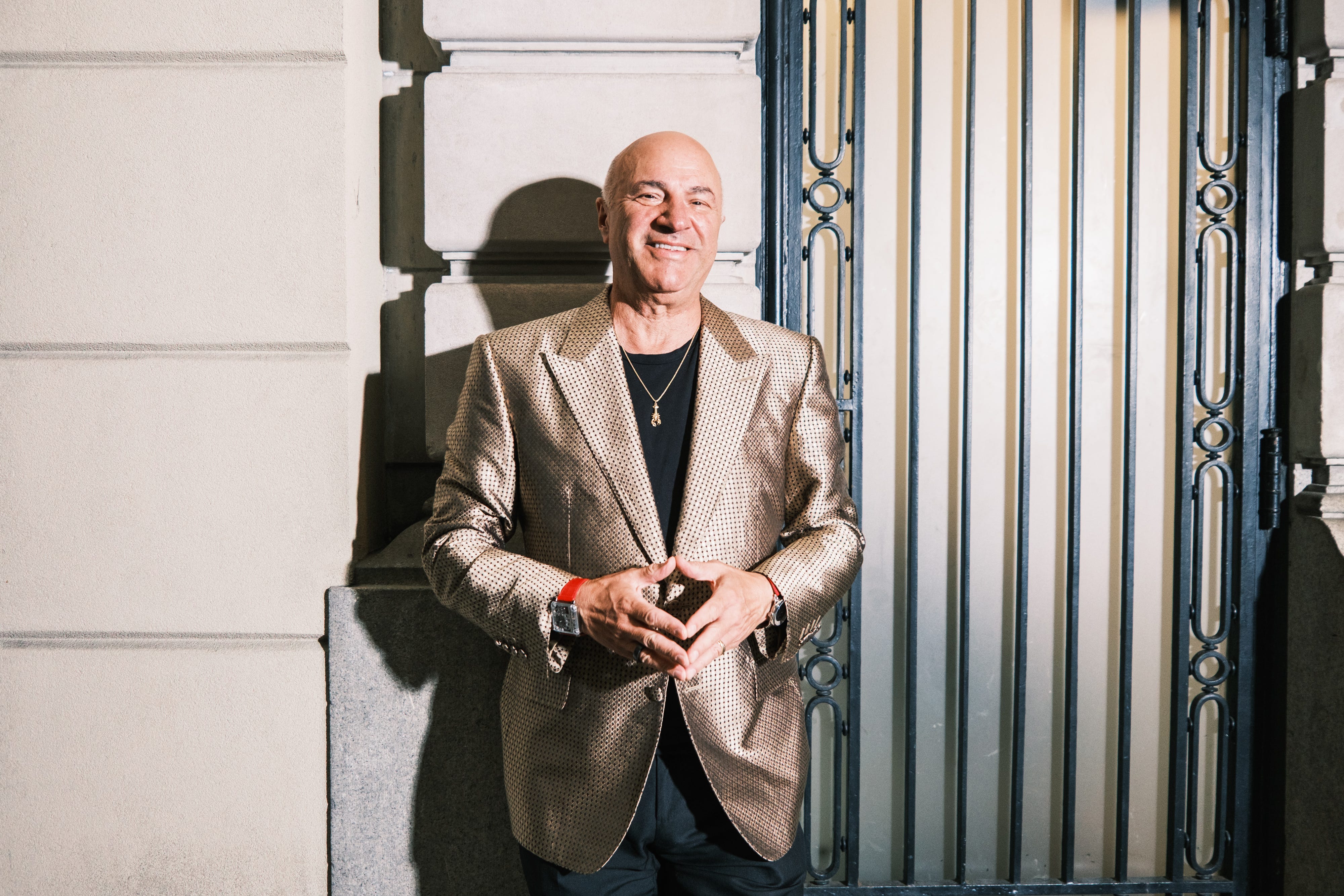
For most people, this performative, over-the-top version of Kevin O’Leary is the only one they know. It is the character that made him rich and famous — and, in some circles, intensely disliked.
Today, the 72-year-old investor has a reported net worth of roughly $400 million. He has built and sold companies, spent nearly two decades on the hit TV show Shark Tank, and become one of the most recognizable faces in business television.
He earned the nickname “Mr. Wonderful” for his brutally unsentimental approach to entrepreneurs seeking investment. On Shark Tank, he has likened founders to “cockroaches,” dismissed products as “poo-poo on a stick,” and, after one entrepreneur rejected his offer, snapped: “You’re a human tragedy. You’re dead to me when you say no to my deal. You’re dead. You’re gone. You’re vapor.”
On multiple occasions, O’Leary told me he enjoys playing the villain. Heroes are expected to be flawless. Villains are allowed to be human. Audiences may not always like them, but they remember them and connect with their flaws.
“The antagonist is a great role,” he says. “It’s always bringing energy to something. It’s conflict-management — turning on the pressure when necessary. It’s a lot of fun.”
When I ask him how it feels to be seen as the face of ruthless capitalism, he says, “I love it. Yes, I am a capitalist, and I wear it as a badge of honor.”
It was exactly the answer I’d expect from Mr. Wonderful. But the more time I spent with O’Leary, the more that carefully cultivated persona began to feel incomplete. The version of him I kept encountering between television appearances and business pitches didn’t quite match the one millions of viewers knew.
By the end of several days together, I found myself wondering whether Mr. Wonderful was the real Kevin O’Leary — or simply the most successful role he ever played.
When O’Leary was seven years old and his family was struggling financially, he made a promise to himself: he would never feel that frightened or powerless again.
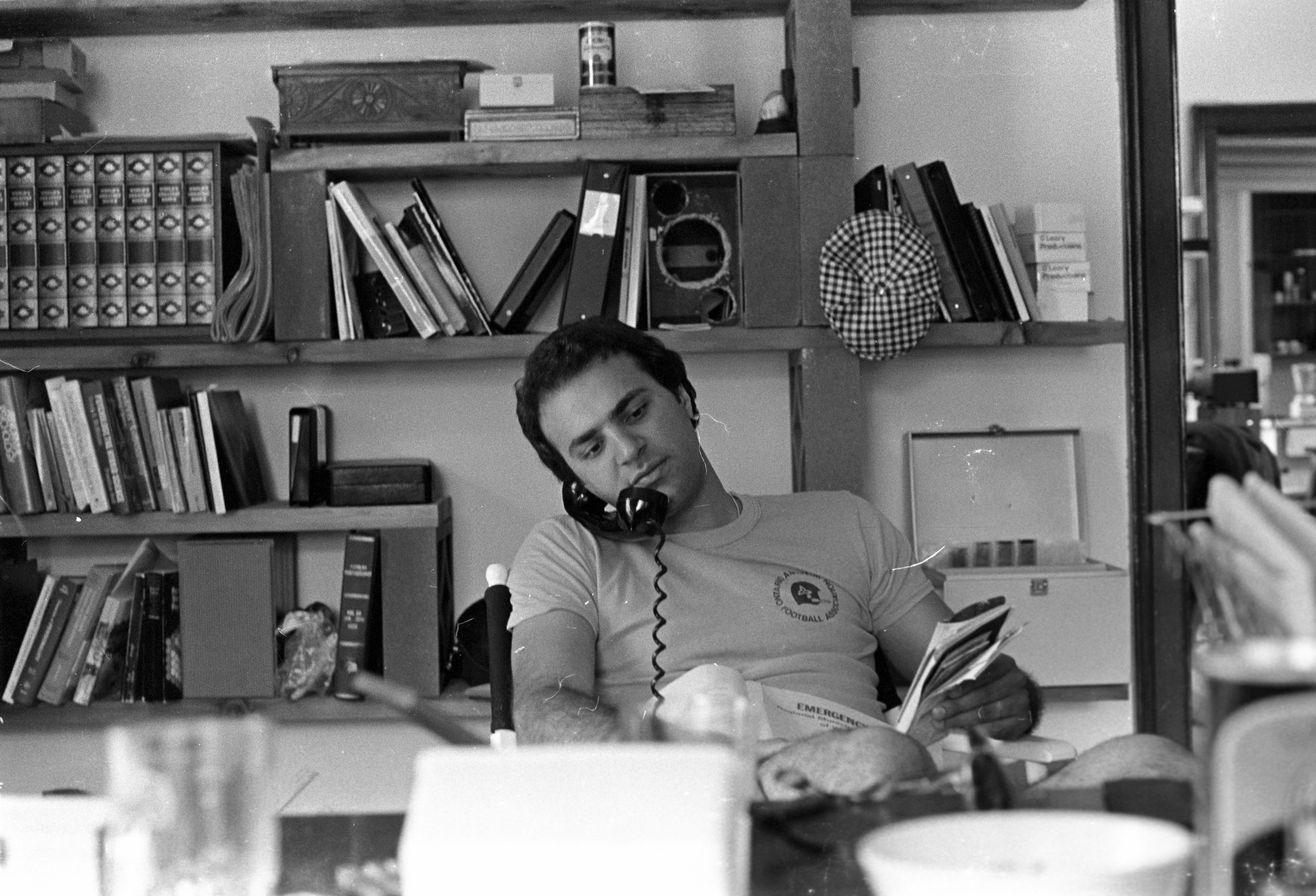
Many of the most important life lessons he’s learned came from his mother, Georgette. Born in Montreal to Lebanese parents, she was pulled into her family’s clothing business at a young age and learned early on that financial independence meant freedom.
She married a charismatic man named Terry and together they had O’Leary and his brother, but the marriage unraveled after his gambling addiction pushed the family into financial trouble. In his book, Cold Hard Truth, O’Leary writes that his mother’s anxiety about money “moved through my bloodstream, and I think it changed my very DNA.”
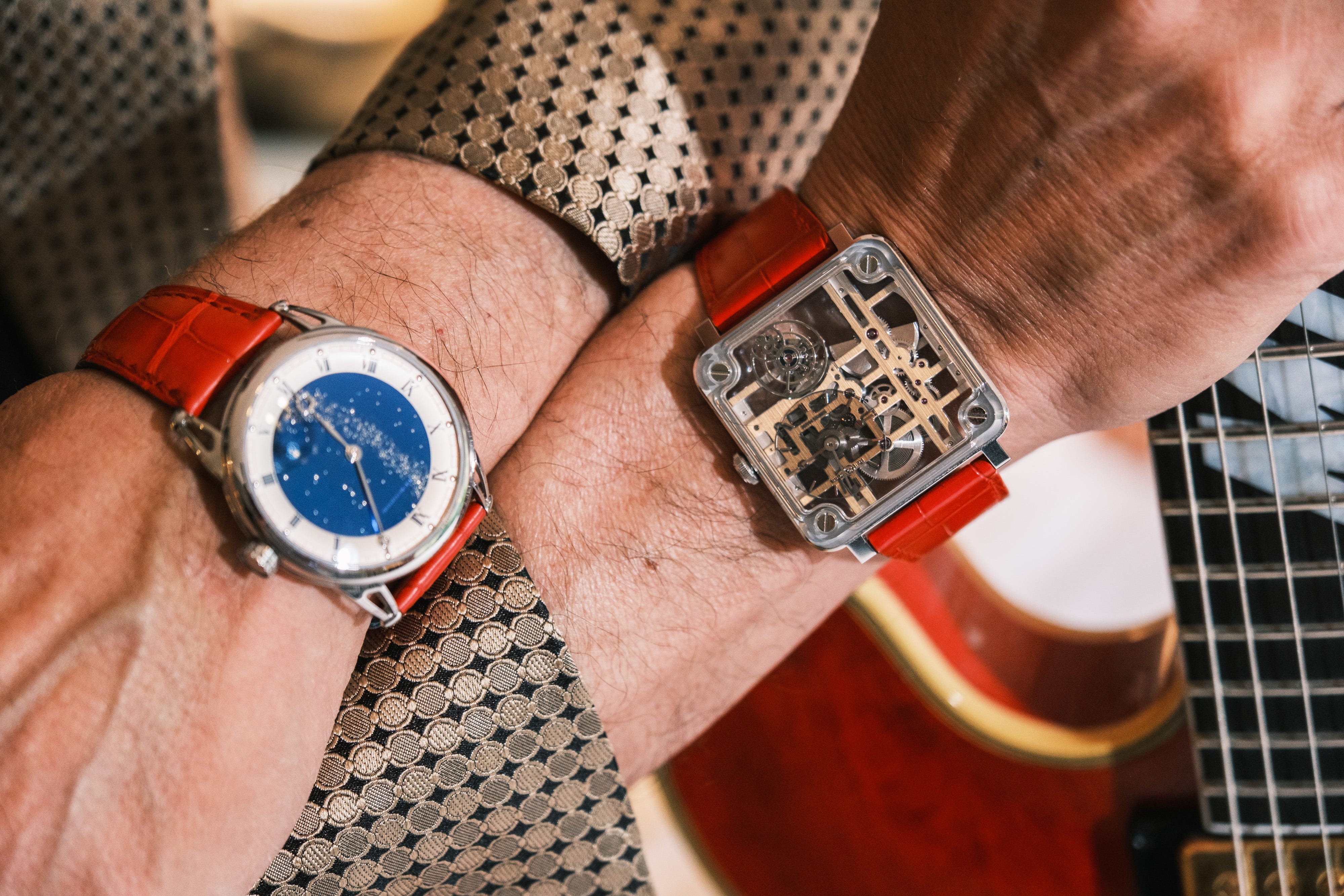
After divorcing Terry, Georgette married George Kanawaty, O’Leary’s stepfather. Practical and disciplined, George taught him many of the principles that still guide him today. He introduced O’Leary to watches, insisted that luxury items should be purchased only with cash, and warned him never to take on debt for something he couldn’t afford.
In college, O’Leary fell in love with photography and filmmaking. He showed his work to George and told him he wanted to pursue it professionally.
George looked at the photos and said: “You’re not good enough. You’ll never make it,” before urging him to pursue business.
O’Leary listened. “It was the cold hard truth to tell me: ‘Look you’re not going to cut it,’” he says.


Business was the practical choice. After earning his MBA in 1980, O’Leary co-founded Special Event Television, an independent sports production company that he later sold. He then launched the educational software firm SoftKey, which acquired The Learning Company and adopted its name. The business grew into one of the largest educational software companies in North America, producing popular titles such as Reader Rabbit, Carmen Sandiego, and Myst.
In 1998, Mattel acquired The Learning Company in a stock and debt deal valued at roughly $4 billion. The toy giant hoped the acquisition would transform it from a traditional manufacturer into a technology-driven children’s entertainment company.
Instead, the deal became one of the most infamous acquisitions in corporate history. Mattel struggled to integrate the business, sales disappointed, losses mounted, and billions of dollars in shareholder value were wiped out.
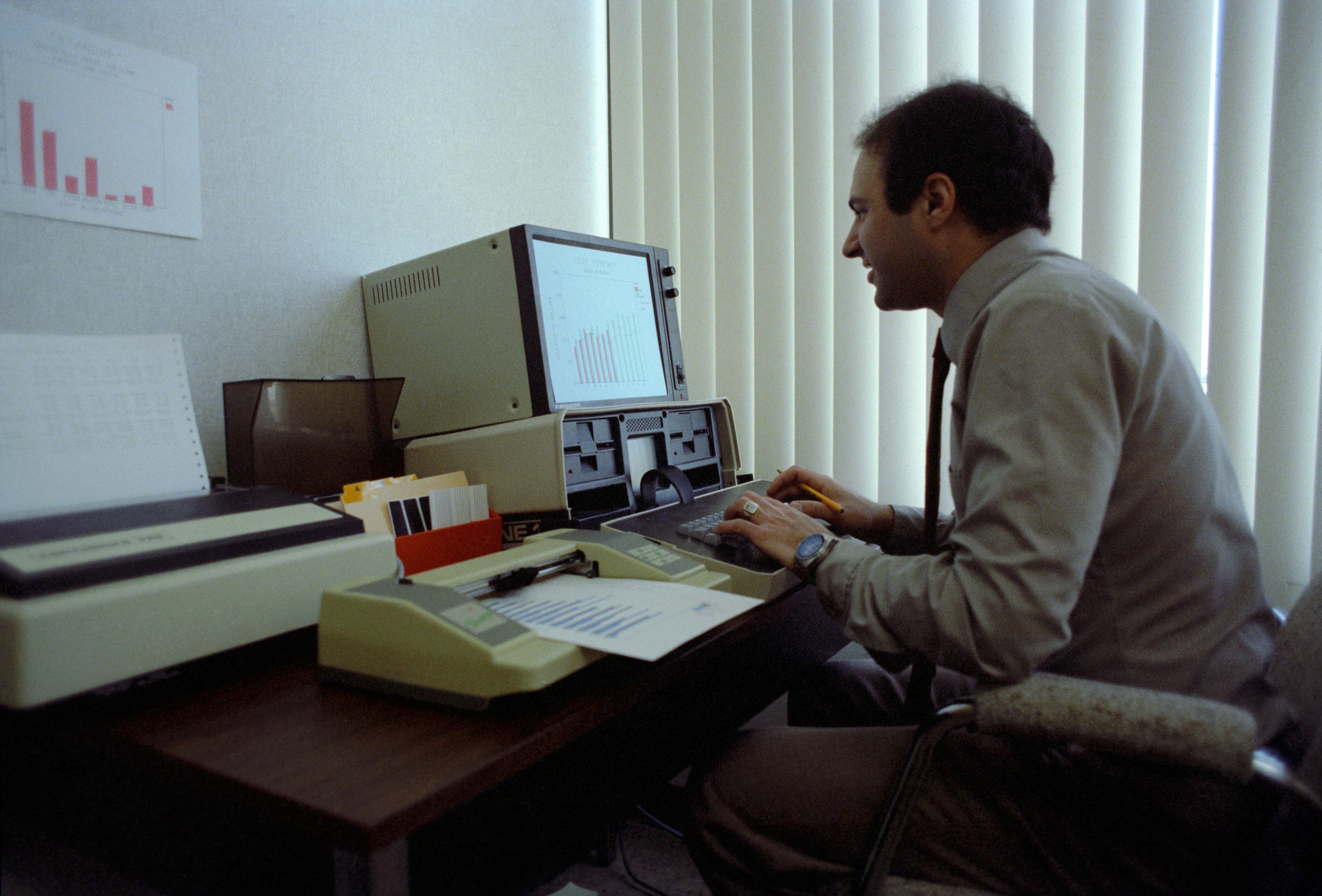
O’Leary didn’t last long, either. Up to this point, he had only spent his career building companies, and now, he had to play by the rules of a large corporation. “I got fired after six months,” he tells me. “I kept barking orders at everybody because I wasn’t used to working for anybody.”
He remembers Mattel’s chief financial officer pulling him aside and explaining that wasn’t how things worked at a large organization. Looking back, O’Leary laughs and says: “Can you imagine listening to that insubordinate guy?”
In the decade that followed, O’Leary rebuilt his career as an investor rather than an operator. He backed companies, launched investment funds, and sat on corporate boards — roles that allowed him to shape strategy without running the day-to-day business. He emerged as one of North America’s best-known investors.
It looked as though his stepfather had been right. O’Leary was a businessman, not an artist. After watching him work, however, I wasn’t so sure.
O’Leary and I are riding through Midtown in a black Escalade on the way to Christie’s, where he will pitch Wondercare, the watch insurance company he hopes will become the auction house’s insurer of choice.
He receives a message and turns to me: “I’ve got to show you this.”
It’s a video of his business partner Justin Aronoff handing him a custom Marty Supreme guitar, inspired by the film in which O’Leary plays a financier. “Look at that,” O’Leary says, holding the phone between us but unable to get the sound to play. “It’s the exact orange color from Marty Supreme.”
He pauses the video and murmurs to himself: “It’s a beautiful guitar.”
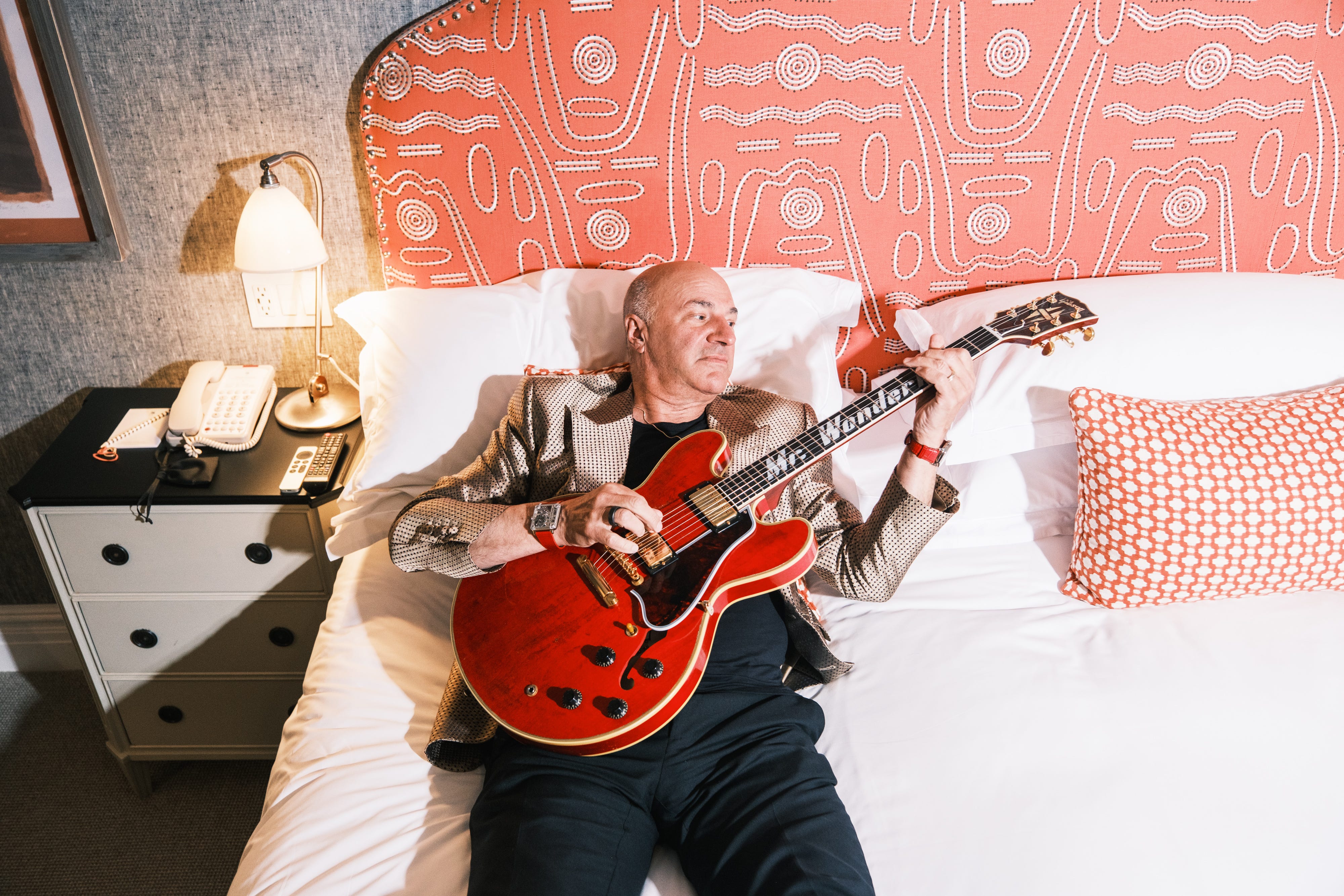
O’Leary keeps a guitar and amplifier waiting for him at hotels around the world. When he’s not filming Shark Tank or going to meetings, he’s often alone in a hotel room practicing. Every Fourth of July, he attends a gathering in Nantucket where he plays in a band for an audience of a thousand people.
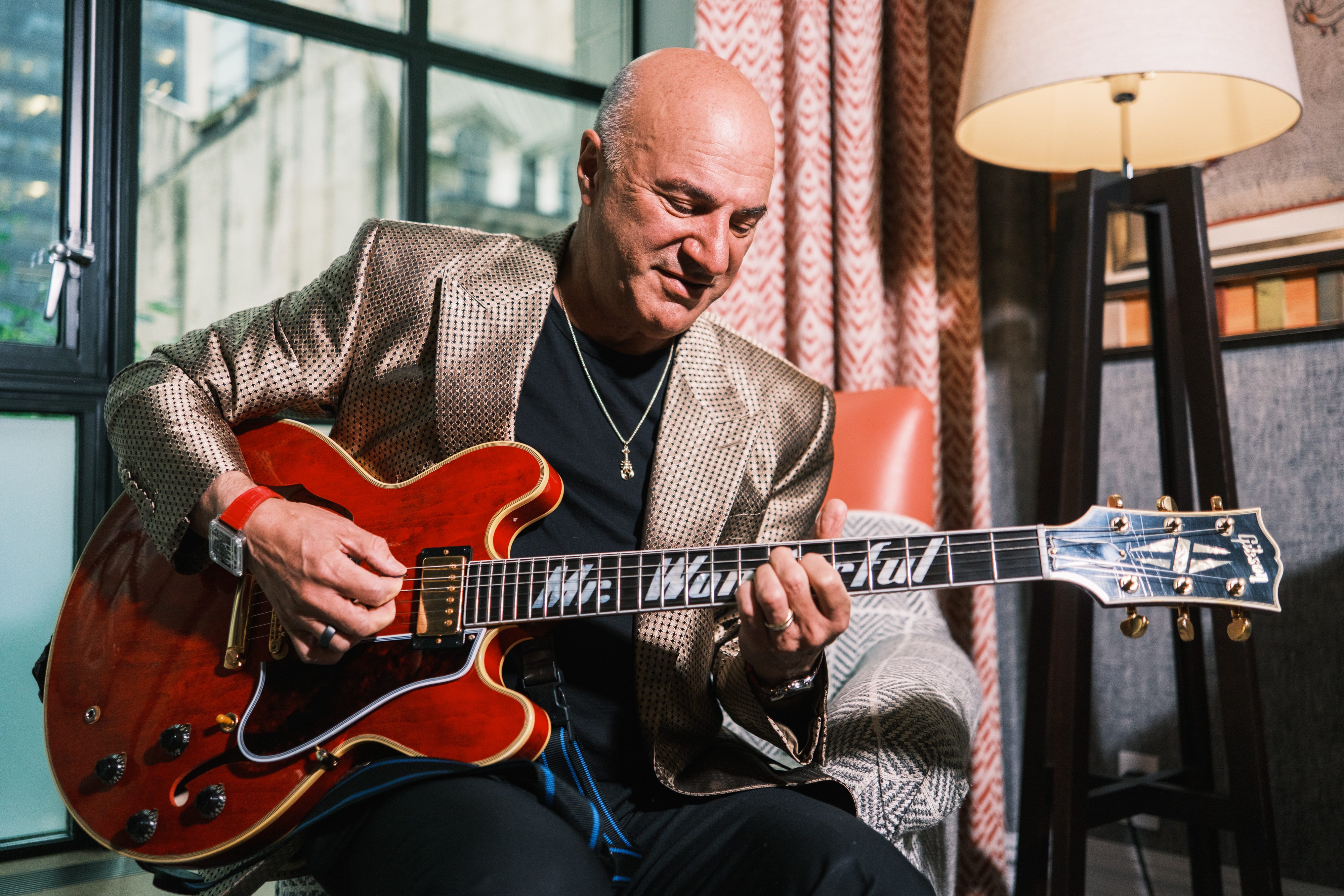
O’Leary doesn’t see himself as just an investor. The problem, he says, is that investing still takes up most of his life. “Yes, I’m an investor. Yes, I’m on Shark Tank, but I do a lot of other stuff,” he says. “I’d like to spend some time doing the other stuff — photography, guitar, the watches.”
A few minutes later, the Escalade pulls up to Rockefeller Center. The moment the car door opens, O’Leary snaps into performance mode.
A group of women in matching T-shirts scream in unison: “Hi, Mr. Wonderful!” A family runs up to ask if their son can snap a quick photo: “We watch you every day!” As we search for the entrance to Christie’s, two men follow us and ask if “Mr. Wonderful needs directions.”
Inside, the lobby features soft lighting, minimalist decor, and hushed voices — a stark contrast to the commotion outside. O’Leary seems relieved. “It’s so peaceful in here,” O’Leary says.
I write deeply reported profiles on power and money. Sign up for The Profile:
We head to a private room, and he is in full salesman mode. Years earlier on CNBC, O’Leary laid out his formula for a successful pitch: articulate the opportunity in 30 seconds, explain why you’re the right person to execute, and prove you understand the economics.
He follows his own playbook perfectly.
First, he outlines the problem. O’Leary tells the Christie’s team that his watch collection was stolen and, like many collectors, he discovered that high-value watches were typically bundled into homeowners insurance policies. After filing the claim, his premiums jumped.
Then, he shares his personal edge. People told him a watch insurance business would never work because customer acquisition costs were too high. “I said, ‘Everybody knows I’m a watch collector. I’ve got more than 12 million followers on social media, so we’ve never paid for a customer,’” he explains.
Finally, he nails the numbers. He starts talking about the financials, sharing several confidential growth metrics that seem to impress the people in the room.
The entire pitch takes 3 minutes and 17 seconds.
During the meeting, conversations about insurance often drift into craftsmanship. As things are wrapping up, O’Leary reaches into his bag and pulls out his Jalen Brunson diamond necklace and shows the Christie’s executives how the trading card at its center can be displayed vertically or horizontally. “It’s very flashy, so it’s great on television,” he says.
The executives nod along and promise to arrange follow-up meetings with senior leadership to discuss a potential partnership.
The next morning, I arrive at Phillips Auction House in Midtown Manhattan where O’Leary is giving a fireside chat about its latest watch collection.
The room looks like a museum for people with very expensive hobbies. Glass cases display F.P. Journe, Patek Philippe, Cartier, and Rolex watches worth more than most cars.
At the moment, O’Leary is not admiring any of them. He’s hunched over a tripod frenetically arranging chairs, tapping his wireless microphone, and setting up the perfect camera angle.
“Kevin, what … are you doing,” I ask, my eyes scanning the room for a 20-something social media manager who I assume is not doing his job.
Without looking up, he adjusts the frame another time. “This may be valuable content to post on my social media,” he tells me.
O’Leary had told me that he personally edits one social media video a week using Adobe Premiere Pro. I assumed he was exaggerating. “I’ll take the raw material, and I’ll create it myself,” he says. “And then I’ll just post it — much to the chagrin of my social media team.”
Satisfied with the shot, he steps in front of the camera, and begins: “First, some shameless promotion for my watch insurance business…” The audience laughs.
Wondercare CEO James Walter tells me that O’Leary is deeply involved in the business and promotes it every chance he gets. He joins the company’s weekly status call and, according to Walter, has missed only two in the last three years. “When he was on the Marty Supreme tour, I’d see him changing outfits in the background while on the call so he could hear what was going on and offer input,” Walter says.
Last year, O’Leary landed a role in Marty Supreme, which stars Timothée Chalamet as Marty Mauser, an ambitious table-tennis prodigy willing to do almost anything to win. The casting team was looking for “a real asshole” to play Milton Rockwell, the ruthless financier who bankrolls Marty’s rise. O’Leary was an obvious choice.
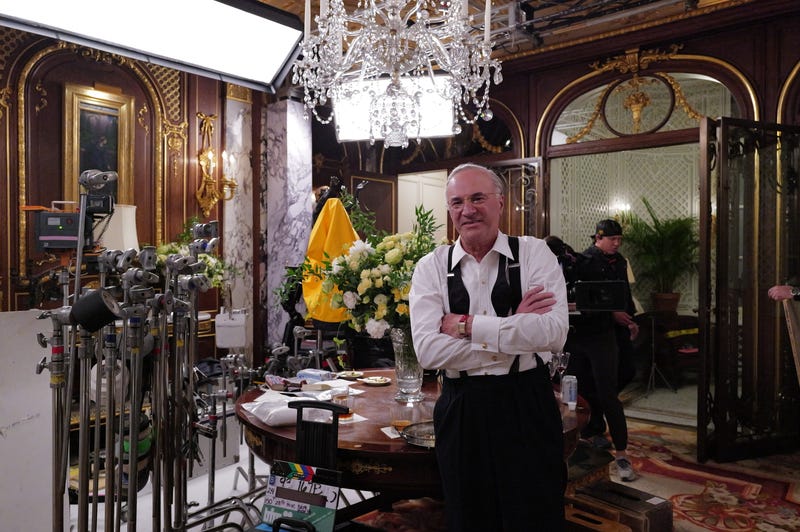
O’Leary tells me he couldn’t help himself. He immediately started suggesting changes to the script.
He improvised the now-famous “I am a vampire” line in which his character ominously warns Marty never to cross him. O’Leary even pitched director Josh Safdie on a darker ending in which Milton Rockwell would reveal himself to be a literal vampire by biting Marty on the neck.
O’Leary’s role was minor, but the casting generated praise from critics. When accepting the Golden Globe for Best Actor, Chalamet thanked O’Leary before thanking his own family. “If you had told me when I was 19 years old that I’d be thanking Mr. Wonderful from Shark Tank...”
For his part, O’Leary was just as interested in what was happening off camera as on it. Between takes, he wandered around the set photographing Chalamet and the rest of the cast. “I love that behind-the-scenes kind of thing,” he tells me.
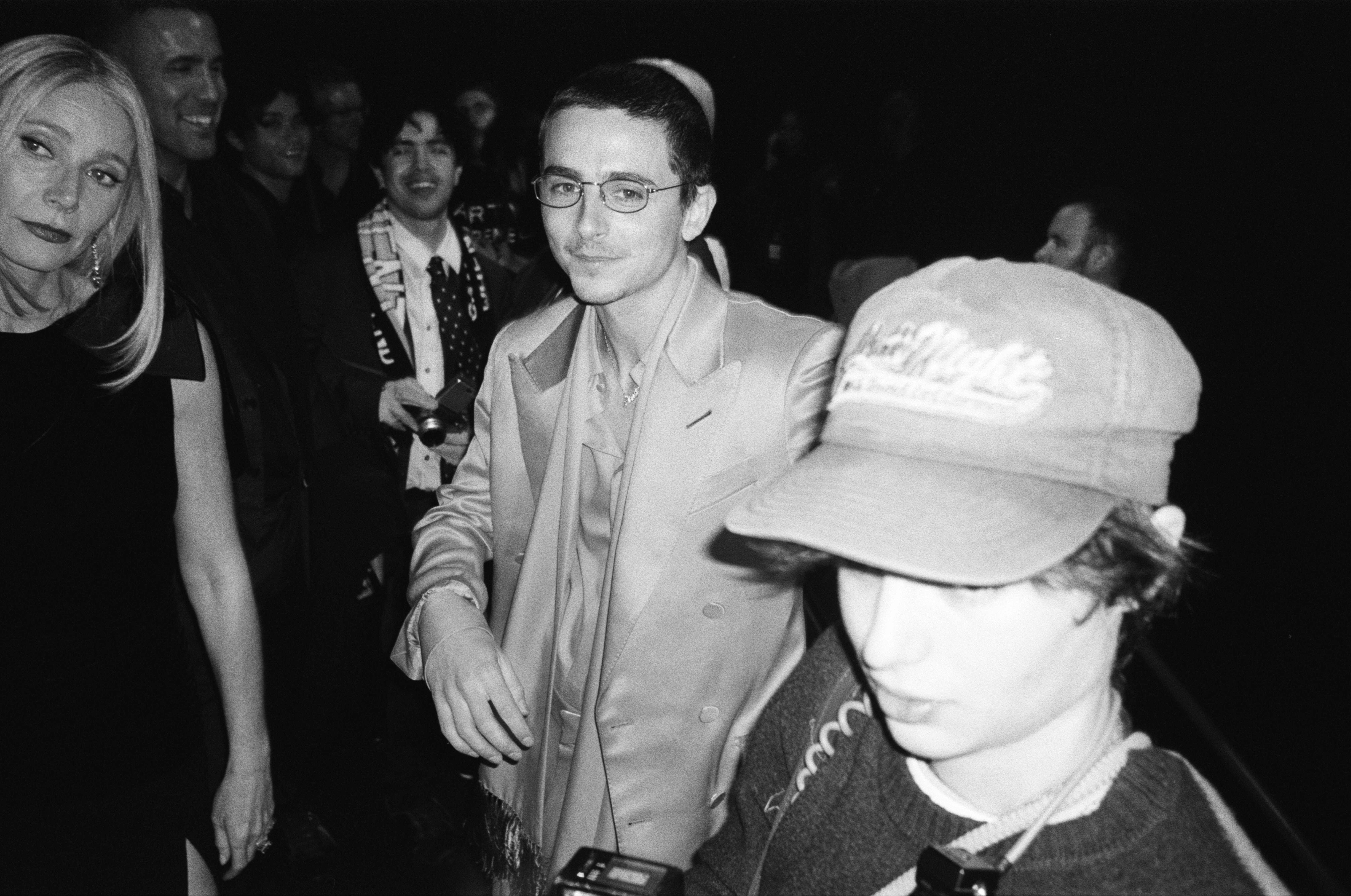
O’Leary enjoyed learning what it takes to make a movie. More than anything, he says, he loves the challenge of creating something from scratch. That’s why he still spends hours editing videos in Adobe Premiere Pro.
When he gets stuck, he calls his daughter Savannah, who has made filmmaking her career. She says O’Leary’s questions are usually about some technical editing problem, and that she still can’t believe he edits the videos himself. “It’s not efficient,” Savannah says. “But I think he enjoys it.”
Business, O’Leary tells me, is binary: You either make money or you lose it. But the best entrepreneurs pair financial discipline with creative instinct. The numbers matter, but building a great business requires a feel for marketing, storytelling, and product design.
“You need the discipline of business but the chaos of the arts,” he says.
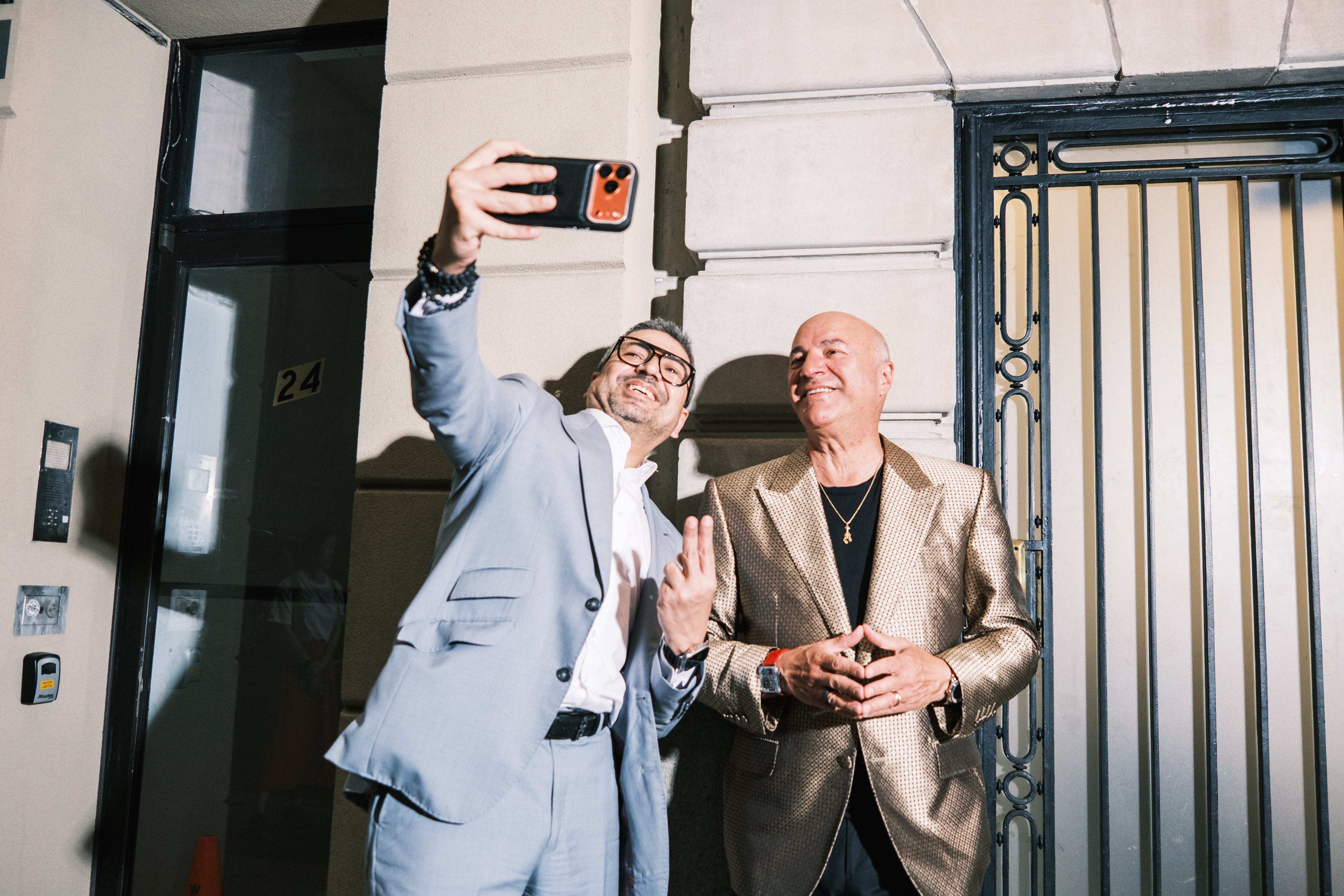
O’Leary first met television producer Mark Burnett, the creator of Shark Tank, over lunch in Los Angeles. He wasn’t entirely sure why Burnett had extended the invite.
The two men spent hours talking about the marital difficulties they were each navigating. What was supposed to be a quick lunch passed the three-hour mark.
Finally, O’Leary asked, “Why am I here, Mark?”
As O’Leary remembers it, Burnett laughed. “Oh shit,” he said. “I forgot. Tomorrow I’m testing a new show called Shark Tank.”
The next morning, O’Leary was seated alongside fellow investors Daymond John and Barbara Corcoran. Eighteen seasons later, he is still on the show.
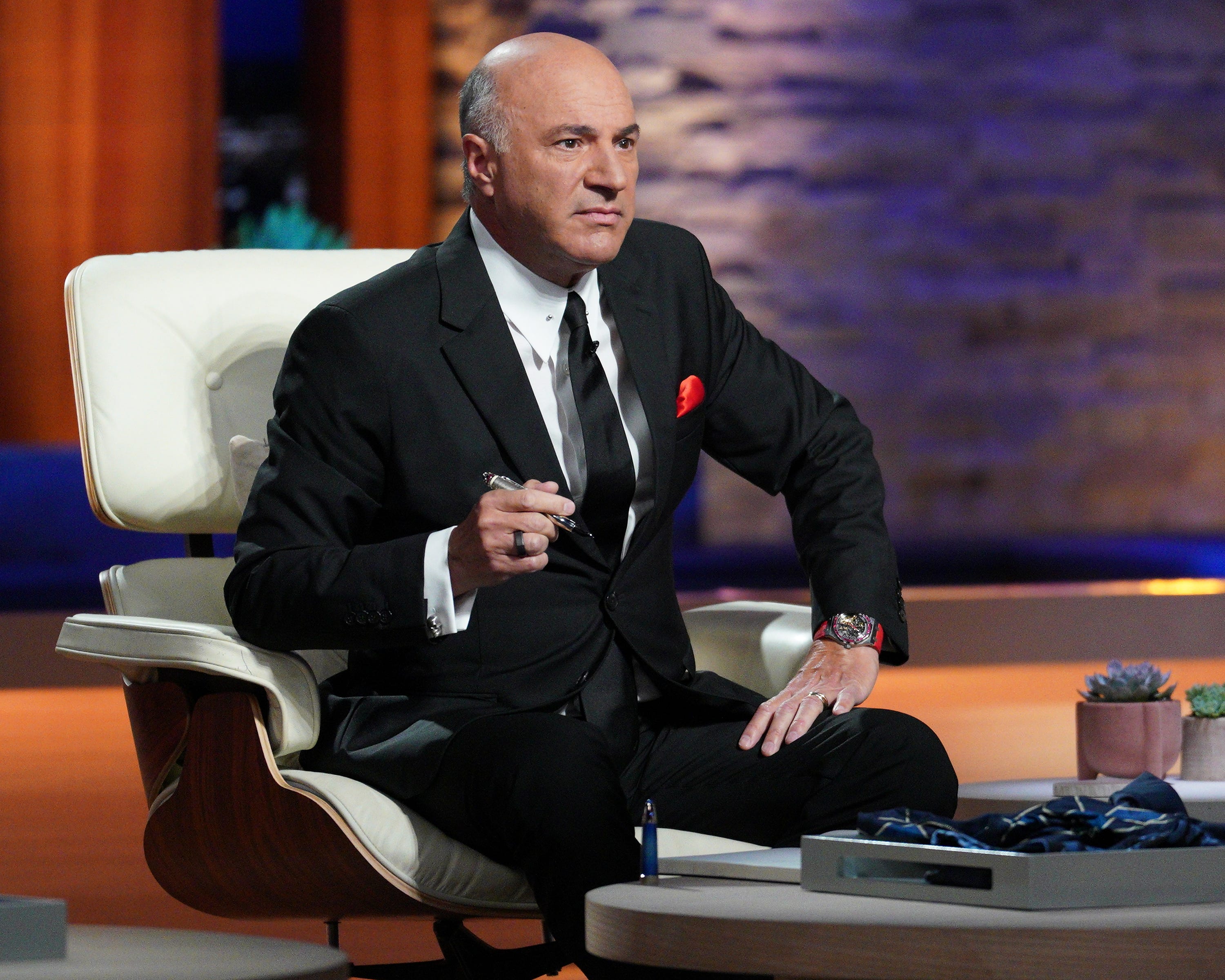
On Shark Tank, millions of viewers came to know Kevin O’Leary as Mr. Wonderful. He became known for delivering what he called the “cold hard truth.”
But Anna Skaya, the founder of the cat DNA testing company Basepaws, came to know a different Kevin O’Leary. During her 2019 pitch, O’Leary initially dismissed the idea. “Why spend $29 for a cat testing kit when you can buy a new cat for five bucks?” he says.
O’Leary changed his mind after realizing Skaya wasn’t building a pet testing company so much as a data company with room to expand beyond cats.
O’Leary and Robert Herjavec invested. Three years later, Basepaws was acquired by Zoetis for more than $50 million, making it one of O’Leary’s best-performing Shark Tank investments.
Skaya says O’Leary’s greatest value came after the cameras stopped rolling. “I was the squeaky wheel in his portfolio,” she says. “’Kevin, I need help getting into WIRED. Kevin, do you know someone at Vogue? Kevin, can you do an Instagram Live with me? Kevin, can you hold a cat and take a picture?’”
The effort paid off: O’Leary made a 25x return on his initial investment.
Mark Cuban has watched O’Leary’s television persona and the real person behind it coexist for nearly two decades. “He may be Canadian, but he truly believes in helping people achieve their American dream,” Cuban tells me. And despite the character O’Leary plays on television, Cuban insists, “he does have a heart.”
Subscribe here to receive longform profiles of the world’s most successful people.
Not every Shark Tank entrepreneur has come away with that impression. In Season 7, entrepreneur Maneesh Sethi appeared on the show to pitch Pavlok, a wearable device that delivers small electric shocks to help users break bad habits. O’Leary was the only Shark to make him an offer.
“Mr. Wonderful, I can’t work with you,” Sethi replied. “I would take an offer from anybody besides Mr. Wonderful.”
O’Leary immediately fired back: “Maneesh, you’re an asshole. Get the fuck out of here. Fuck you.”
After his episode aired, Sethi wrote that O’Leary prioritized profits over customers and told me that his view of capitalism leaned “too far toward the villainous end.”
I ask O’Leary whether his outburst was an act for television. “No, that was not an act,” he says. “When we’re in the eighth hour of taping, I don’t even see the cameras. I don’t give a shit. That guy was a dick.”
Moments like these transformed Mr. Wonderful from a television character into a celebrity brand of his own. “I’d never been famous before,” O’Leary says. “Everything was crazy, and that gets to your head. I went to the dark side for a while.”
He tells me about spending a year living what he describes as “a debaucherous life” full of parties and excess. Eventually, a business partner pulled him aside. He said, “Kevin, people are starting to talk. How long will you do this for?”
The consequences of fame became harder to ignore. One day, O’Leary was heading to his car from a restaurant when a stranger grabbed him and put him in a headlock. He managed to break free, but the incident rattled him.
Not long after, the president of ABC called him into his office and asked, “How are you liking fame now?”
“Okay,” O’Leary remembers thinking. “I see the double-edged sword now.”
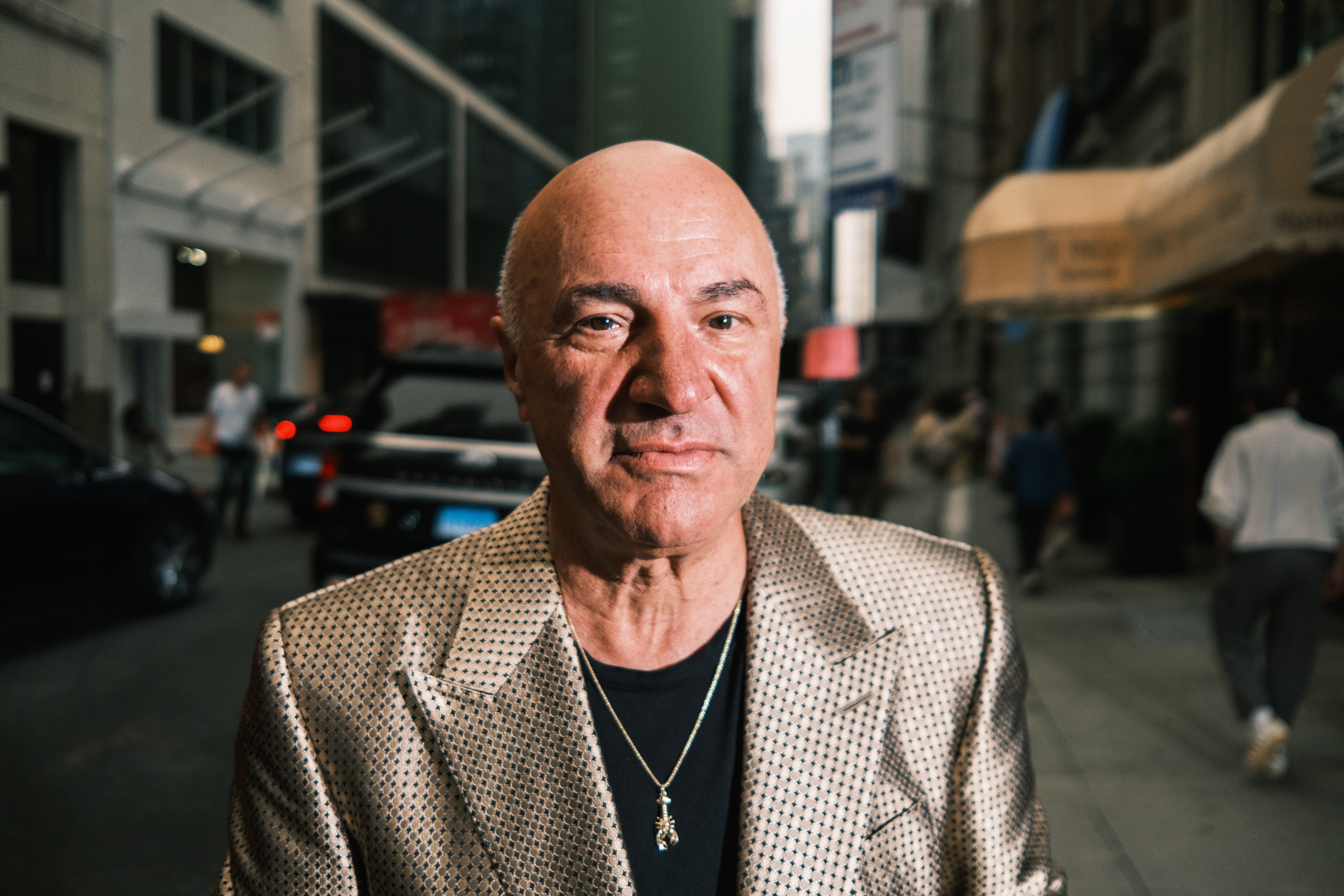
O’Leary can’t remember the first death threat, only that they’ve become a recurring part of his life. They arrive in every form imaginable — handwritten letters, emails, direct messages, and public social media posts. “I mean, it’s fucking nuts,” he says.
The latest wave started after O’Leary decided to enter the AI race.
While many investors are betting on artificial intelligence software, O’Leary is betting on the infrastructure that underpins it. His proposed Stratos Project would build a massive AI and cloud-computing campus in Box Elder County, Utah — a development supporters see as essential to America’s technological future and critics see as an existential threat to the region’s land, water, and power resources.
As the fight intensified, the dispute became increasingly personal. O’Leary accused several prominent critics, including Utah political strategist Gabrielle Finlayson, of acting as proxies for the Chinese government.
Weeks later, he publicly acknowledged he had “no evidence” to support the allegation. Finlayson is one of the plaintiffs now suing O’Leary and Fox News for defamation over the allegations. “I spent years building my reputation, my business, and the trust of my community,” Finlayson said in a statement announcing the lawsuit. “In just weeks, Kevin O’Leary tore it all down with lies.”
In a statement, O’Leary’s attorney Jeffrey Neiman said O’Leary intends to “defend this lawsuit vigorously” and may bring counterclaims. He called the suit a “cash grab,” arguing that the plaintiffs declined O’Leary’s invitation to discuss the project and used his remarks to raise money. “We look forward to discovery and uncovering the facts related to the misinformation campaign against the data center in Utah,” Neiman said.
Finlayson has referred to O’Leary as “the Canadian who is trying to ruin Utah.” Speaking on a podcast, she said opposition to the proposed AI data centers had become “so strong and so severe,” adding: “These folks don’t always know what’s going to come for them when they decide to put a giant thing no one wants in the middle of people’s homes.”
It’s not the first time O’Leary has landed at the center of a public firestorm. He tells me that he says exactly what he thinks and accepts whatever follows.
When cryptocurrency exchange FTX collapsed in 2022, O’Leary became one of its most visible casualties. FTX had paid him $15 million to serve as a spokesperson, and suddenly he found himself answering questions on national television about one of the largest financial scandals in recent memory.
O’Leary remembers seeing the word “fraud” in relation to FTX flash on the screen during a Fox News segment, and he checked his account to find the money was gone. He called FTX co-founder and CEO Sam Bankman-Fried and reportedly asked, “What’s going on with the accounts, Sam?”
O’Leary was one of the last people to speak with Bankman-Fried, so he had to testify to Congress about what he knew. “It was the first crisis that I’d ever been through,” he says. “And then I remembered something my mother said: ‘Just tell the truth, and you never have to remember what you said.’”
The first few days were brutal. “When shit was flying everywhere and the phone was just ringing, ringing, ringing, I said, ‘Fuck, what a nightmare,’” he says. “Why am I the poster boy for this when there’s 20 other guys that took money?”
Many celebrities who promoted FTX distanced themselves after the collapse. But O’Leary doubled down. He was on TV every day defending his prior involvement with the company.
When I ask him why he kept going on air, he answers as if stating the obvious: “Because I hadn’t been charged with anything.” The experience, he says, taught him to distinguish the signal from the noise. “The media cycle for the big stories is 48 hours,” he says. “After that, it starts to burn off.”
In interviews immediately after FTX failed, he refused to condemn Bankman-Fried.
CNBC’s Andrew Ross Sorkin pressed him directly: “Kevin, you are an actor in this drama, and you had a front-row seat to Bankman-Fried up until the very end. What do you think happened? Do you think this was a fraud?” To which Kevin responded that he doesn’t have all the facts yet.
Financier Anthony Scaramucci, who was also caught in the fallout from FTX’s collapse, remembers feeling “shell-shocked” by the backlash. O’Leary, he says, remained steadfast. “He defended Sam, and he didn’t care about the public opinion,” Scaramucci says.
In a 2022 Senate hearing, O’Leary argued that FTX competitor Binance had intentionally driven FTX out of business while benefiting from what he viewed as lax regulatory oversight that allowed it to dominate the market.
I ask whether experiences like FTX and the death threats surrounding the Stratos Project have made O’Leary more cautious about what he says publicly.
They have not. “The brand is about being authentic — even though it’s controversial,” O’Leary says. “That’s the brand.”
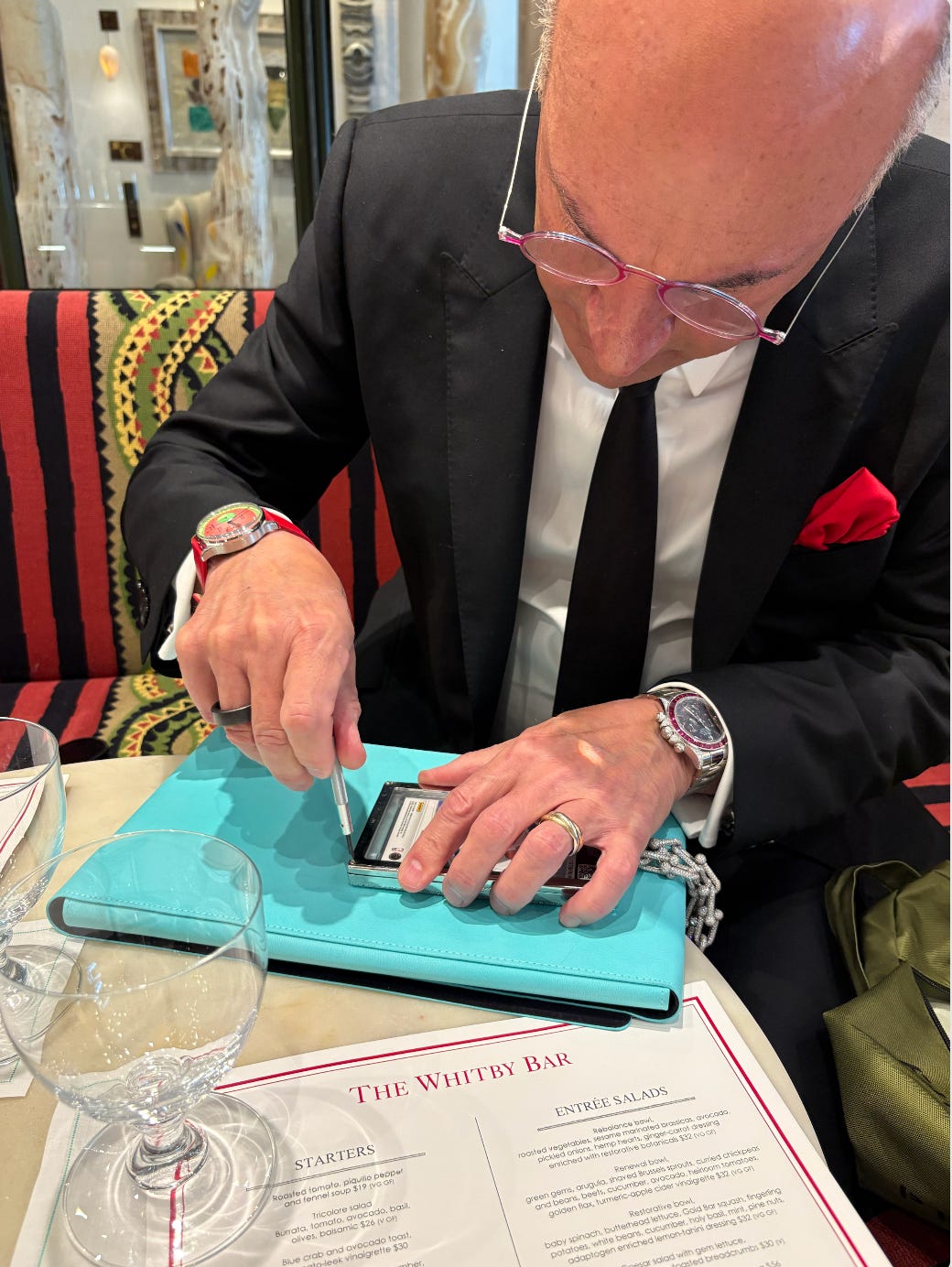
O’Leary and I are sitting in the restaurant of a swanky New York hotel. He orders a Caesar salad with cooked tuna and a glass of Montrachet.
He sets the menu aside, reaches into his bag, and pulls out the Tiffany necklace again. After laying the diamond chain on the table, he takes out a tiny screwdriver and removes the trading card from the pendant. It needs to be returned to its owner.
People start to recognize him. Their eyes shift from O’Leary to the diamond necklace. He’s right — it is flashy. A few diners not-so-discreetly raise their phones to take a picture of the scene. A woman walks past our table and whispers to me, “That’s Mr. Wonderful, right? Love him.”
The interruption doesn’t make O’Leary lose his train of thought. Before he started unscrewing the necklace, I’d asked him how he defines success at this stage of his career.
“I don’t measure it by money anymore,” he says. “I don’t need more money, you know? I just want to make really good use of my time. That’s what matters.”
Now, he wants to make room for the pursuits he once thought he’d left behind. Maybe one day he’ll be known as an artist — a musician, filmmaker, or photographer. But that day is not today.
Today, he is content to be known as Mr. Wonderful, the villain.
O’Leary says playing the villain gives him more freedom than playing the hero. “The bad guy is always scheming,” he says. “He’s always got a subplot. It has the audience thinking, ‘What is he really doing? Why is he saying that?’”
So what is Mr. Wonderful’s subplot?
He thinks for a moment, and takes a sip of wine.
“There’s nothing more motivating to me than someone saying I can’t do something,” he says. “Fuck you, watch this.”
The irony is that the first person to tell O’Leary he couldn’t do something was his stepfather, who told him he wasn’t good enough to become a professional photographer. O’Leary accepted the advice, abandoned the dream, and went into business instead.
Or at least that’s what it looks like from the outside looking in.
Because now, decades later, after turning himself into one of the most recognizable capitalists in America, he still spends his free time photographing strangers, editing videos, collecting watches, and playing guitar.
We are in the car on the way to a keynote speech he has to deliver at Delmonico’s steakhouse on Wall Street. I keep asking him: How does it not wear him down — the criticism, the death threats, the endless scrutiny? He’s rich — why not walk away and spend the rest of his life making art on a beach somewhere?
“No, you can’t let that get you. You just can’t,” he says, looking out of the car window. “Every 30 minutes, there’s something catastrophic and something euphoric happening — every single day. It’s to the bottom and then it’s to the top — over and over and over again.”
He pauses.
“So my attitude is, why don’t I just — “
The car comes to a stop. “Oh, this is it, I guess.”
He never finishes the sentence.
He steps out of the car, adjusts his jacket, and goes on to give a presentation on quantum computing to a room full of people who came to see their favorite capitalist villain — Mr. Wonderful himself.
-
Written by Polina Pompliano | Edited by Laura Entis | Photos & video by Stephen Yang